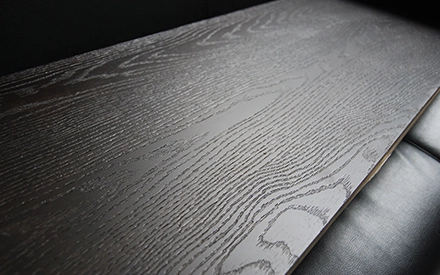
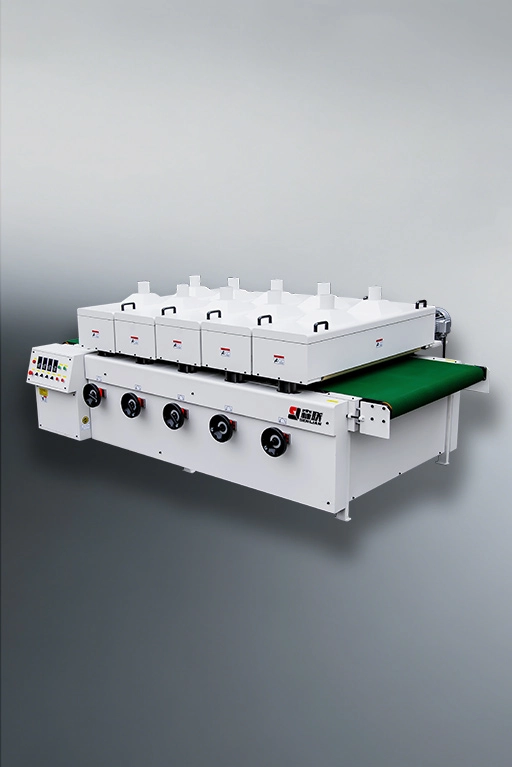
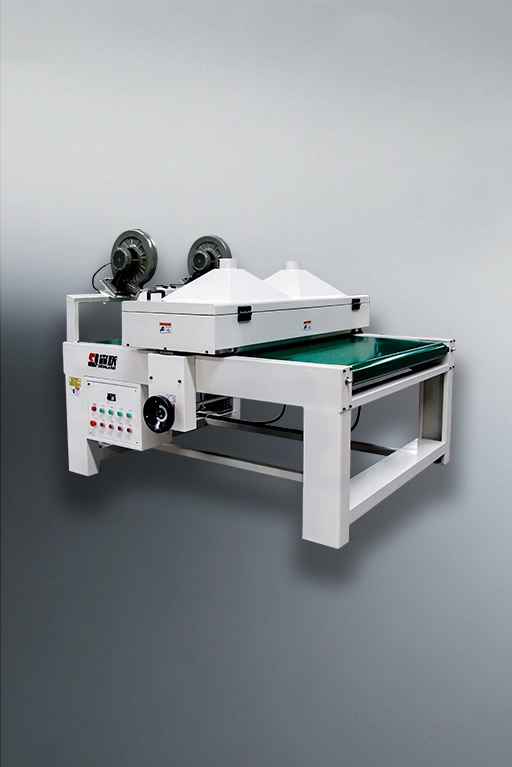
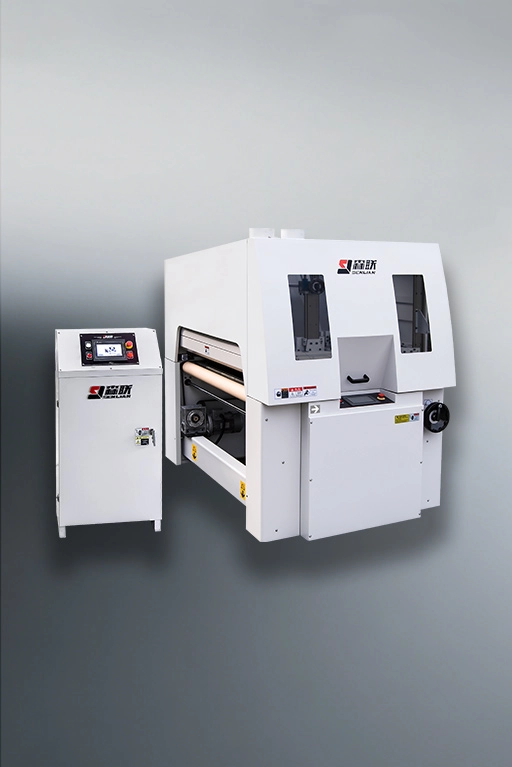
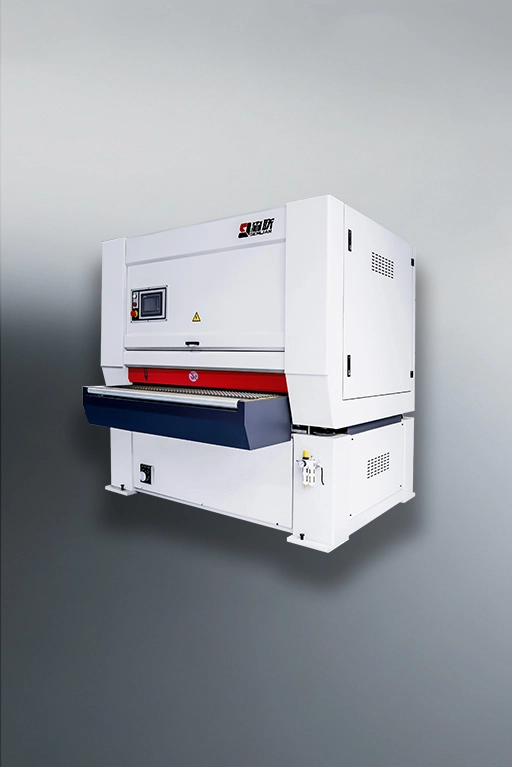
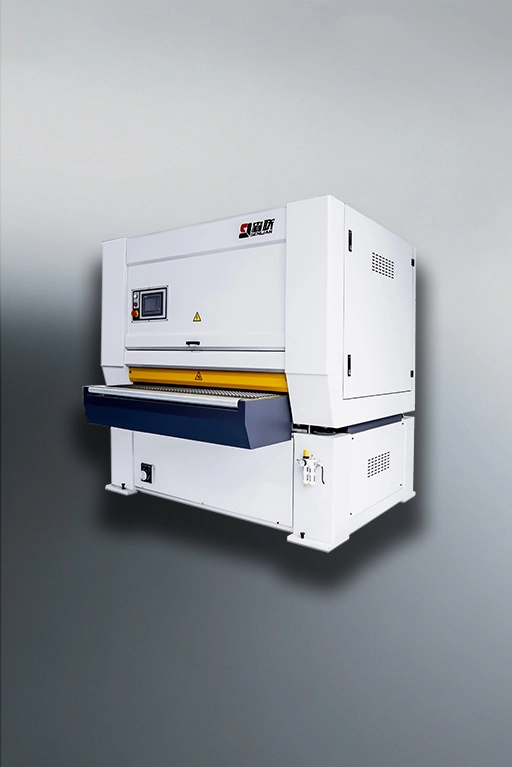
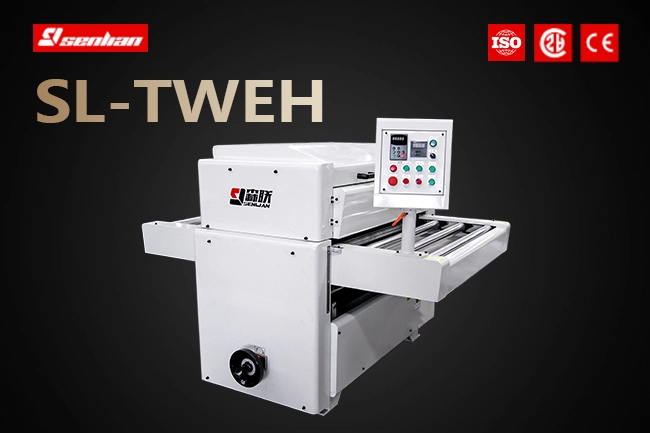
The wood embossing machine forms a physical texture by pressing an engraved roller directly into the panel surface. Instead of removing fibers to expose existing grain, the roller transfers its own engraved pattern onto the workpiece as the panel moves through the machine. You can use this process on solid wood, MDF, HDF, particleboard, plywood, OSB, finger-jointed boards, bamboo-wood fiberboard, and compatible composite panels.
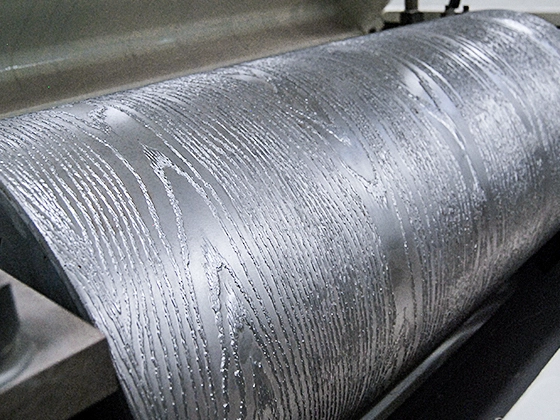
Shape the Surface Through the Embossing Roller
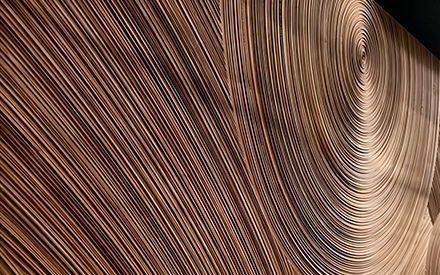
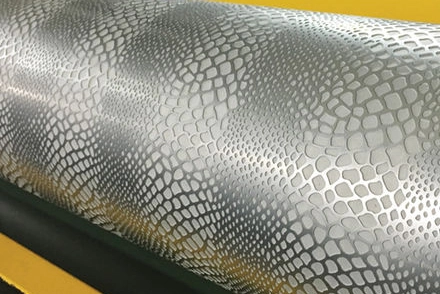
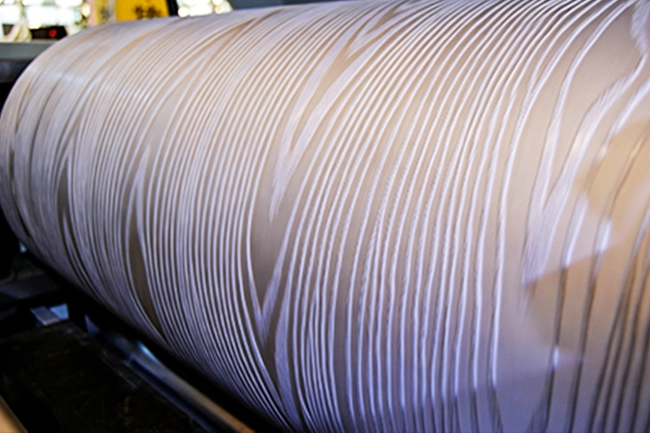
The engraved roller defines the appearance of the finished texture. Different roller patterns let you produce surfaces with linear grain, flowing wood structures, or other decorative reliefs without changing the basic conveying process.
- Laser-engraved patterns create raised and recessed surface detail
- Different roller textures can be selected for different decorative effects
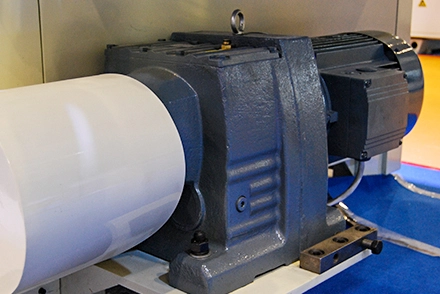
- Roller speed can be adjusted independently from panel conveying
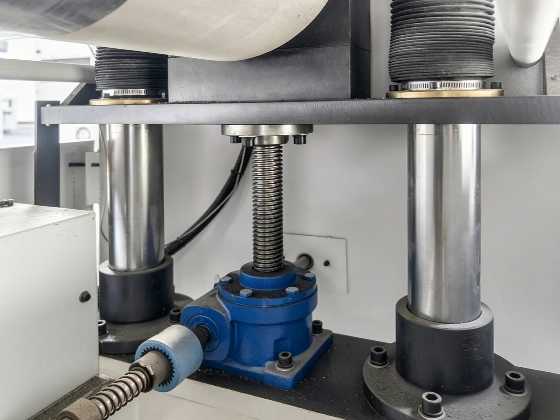
- The lifting base changes the working position around different panel thicknesses
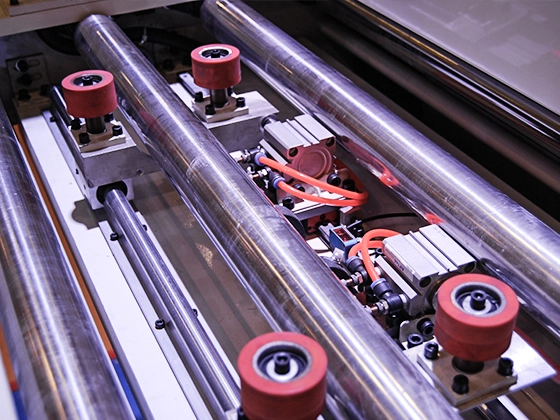
- Additional conveying rollers can support shorter workpieces when required
The standard embossing roller uses a 400 mm diameter structure, while the surface receives carburizing treatment for hardness and wear resistance. Pattern options listed for the equipment include ash, white ash, white oak, red oak, leather-style textures, and customized designs.
Use Heat When the Substrate Needs Stronger Pattern Setting
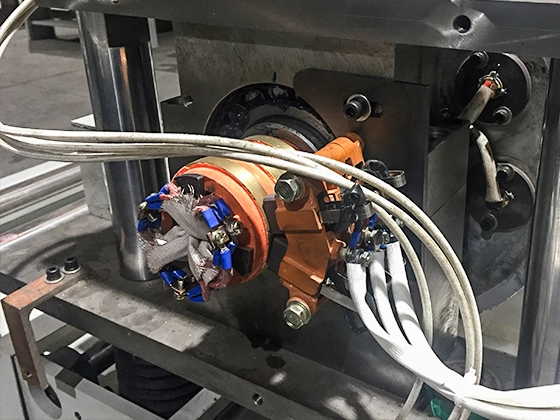
MDF, plywood, and softer woods can be processed with the optional electric heating system. Heating brings the embossing roller to approximately 80°C while the engraved surface presses into the workpiece.
The combination of heat and pressure helps the embossed structure hold its form after the panel leaves the roller. You can select the heating function when the substrate or required relief calls for additional thermal assistance rather than using mechanical pressure alone.
Turn a Flat Board Into a Decorative Surface
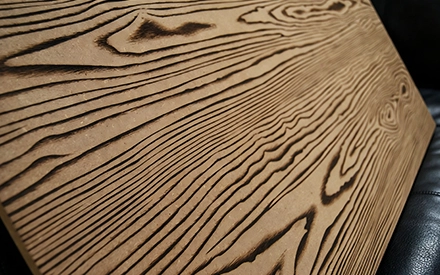
Embossing changes both the visual pattern and the physical relief of the panel. Once pressed, recessed lines and raised areas remain visible across the surface and can become part of the final decorative finish.
The panel can continue into a wood coating process for staining, coloring, roller coating, or other compatible finishing steps. Different coatings can emphasize the relief by creating contrast between raised and recessed areas.
Keep Embossing Integrated With Panel Production
Stainless-steel conveying rollers support the board through the embossing area, while the lifting base positions the working section around the incoming material. The wood embossing machine can therefore sit within a continuous surface treatment process rather than requiring a separate offline texturing step.
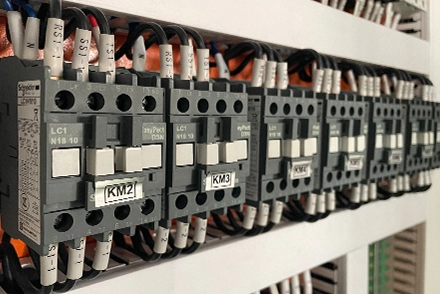
Roller pattern, machine dimensions, electrical configuration, and selected heating function can be matched to the panel and required surface design.
Standard Parameters:





 Photo