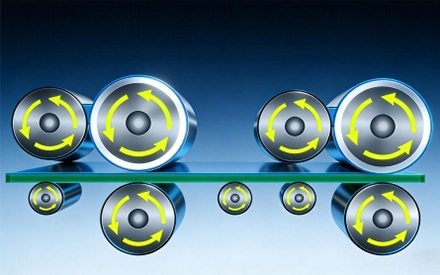
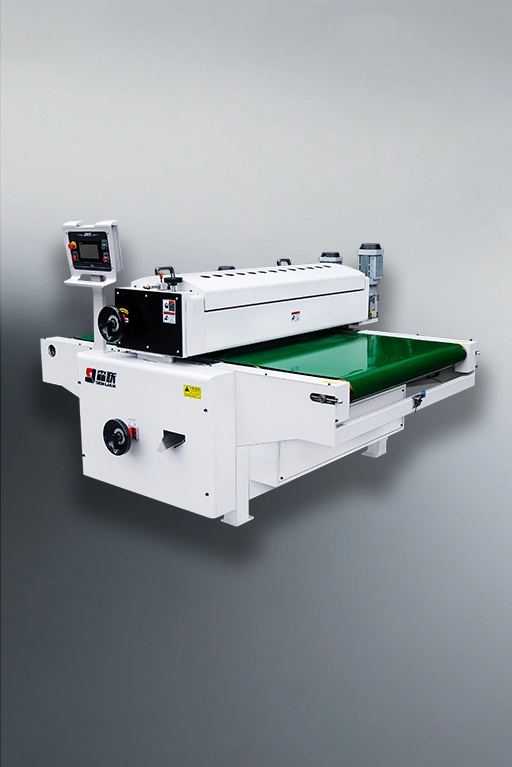
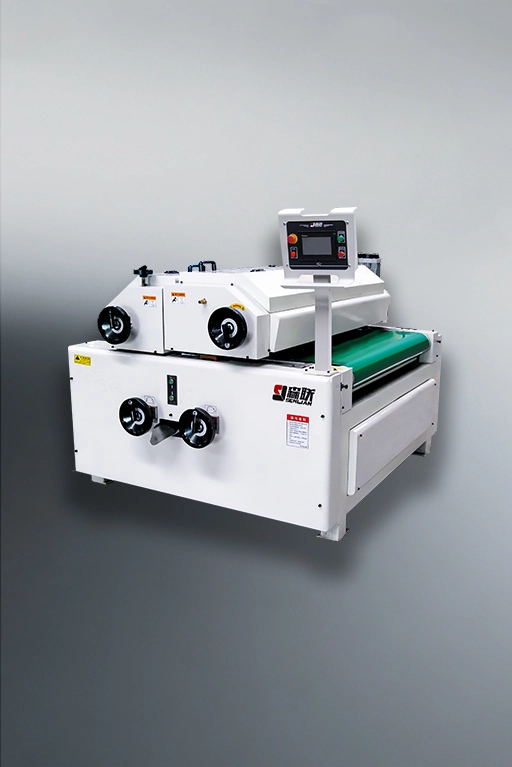
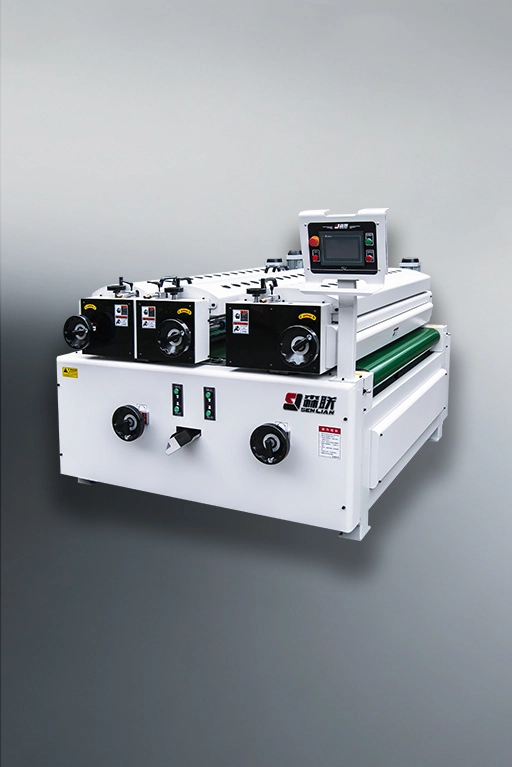
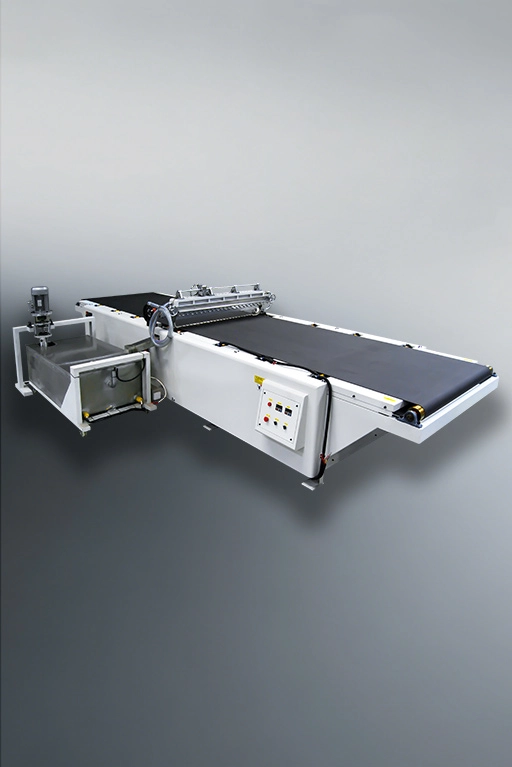
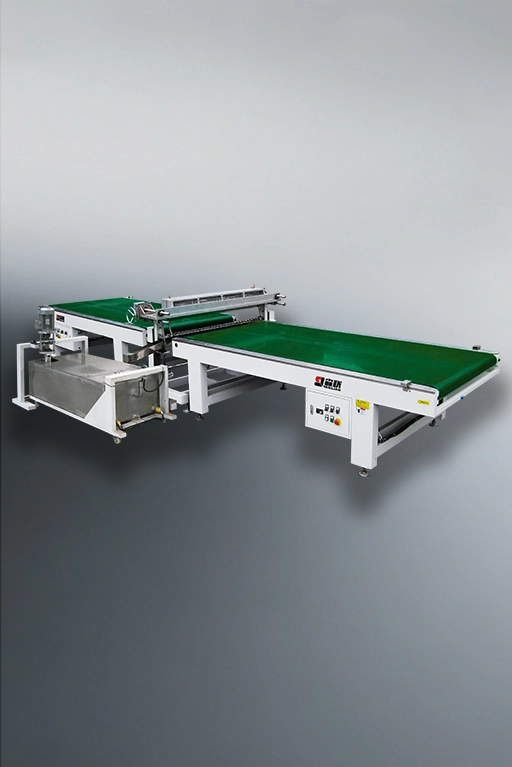
Liquid coating enters the working section and is transferred to the moving panel through a controlled roller assembly. Rubber and doctor steel rollers work together to meter the coating before it reaches the surface, while a dedicated return path sends unused material back into circulation. You can use the system for fiber cement board, magnesium oxide board, calcium silicate board, wood, veneer, glass, metal, plastic, PVC, marble and ceramics, with UV, PU, PE, NC, AC, water-based, fluorocarbon and adhesive coatings available for different finishing processes.
Control Coating Transfer At The Roller Surface
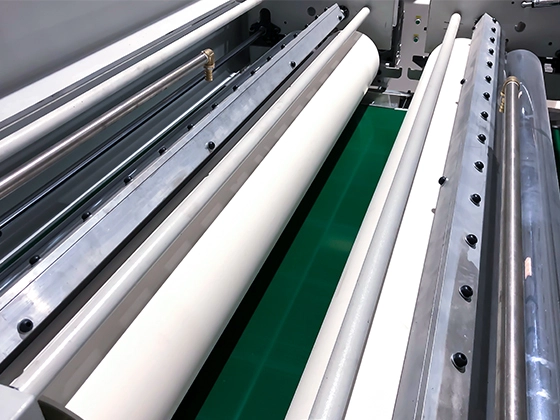
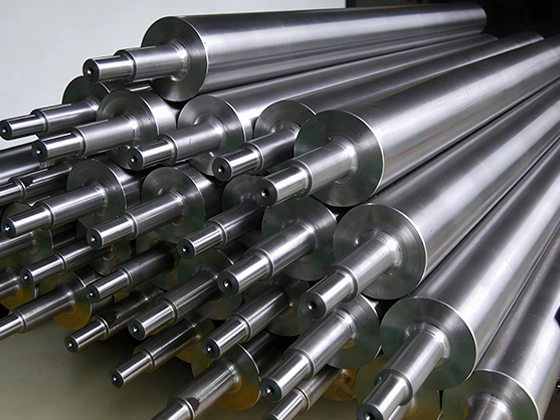
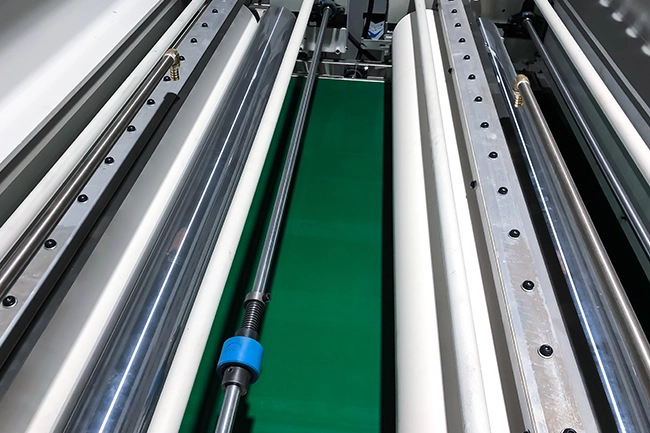
Coating quality starts at the contact point between the rollers. An EPDM application roller carries the liquid film toward the substrate, while a chrome-plated doctor steel roller controls the coating layer through its working gap. A separate steel scraper removes excess material from the roller surface before transfer.
- Meter liquid coating through the roller gap
- Remove excess coating before it reaches the panel
- Maintain an even film across the working roller
- Adjust the working arrangement for different coating materials
- Keep the panel moving through a continuous coating path
EPDM rollers are produced through a controlled manufacturing process and ground through the central section for more even coating distribution. Chrome-plated steel rollers undergo precision machining, electrolytic polishing and hard chrome plating, with surface roughness maintained at Ra≤0.8 μm.
Fine-Tune The Scraper Against The Roller
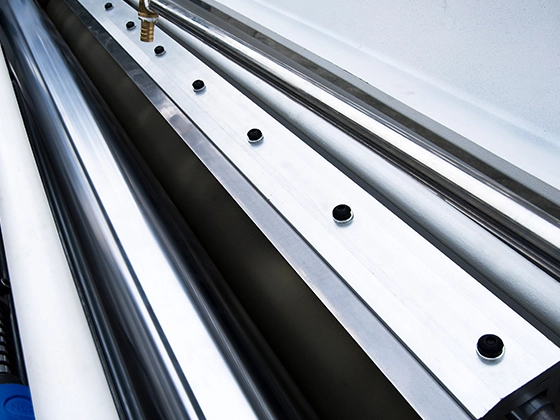
A micro-adjustable steel scraper sits along the roller surface. Small changes to the scraper gap control how much coating remains on the roller, helping form a more uniform film before material reaches the panel.
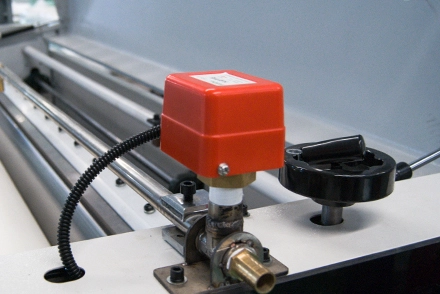
Visible adjustment points run along the scraper assembly, while the rigid metal structure holds the working position in place. Roller and scraper settings can be coordinated with the coating material and required surface finish.
Keep Liquid Coating In A Closed Working Route
Unused coating returns through the machine’s return groove and moves back toward the supply system through a high-flow pump. This circulation system keeps liquid material inside the coating process rather than sending excess paint into the surrounding workspace.
Paint utilization can reach 99%, while liquid coating avoids the airborne spray generated by atomized application.
Give Each Drive Its Own Control
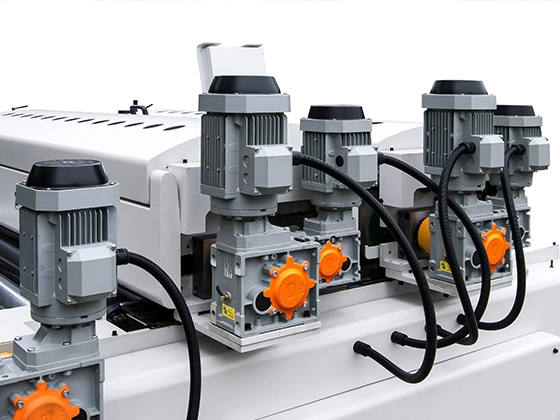
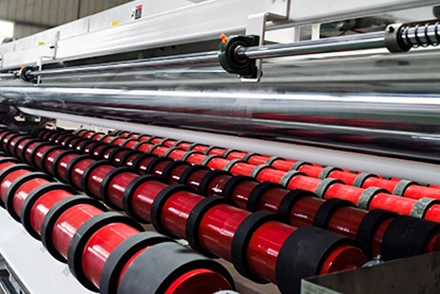
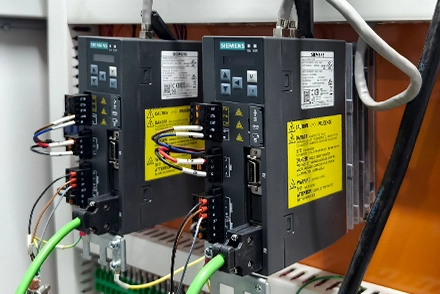
Separate motors and precision reducers serve the core transmission components. Frequency-conversion control coordinates their operation, allowing roller movement and related mechanical functions to run through independent drive sections rather than one shared transmission path.
Move Flat Products Through A Continuous Coating Line
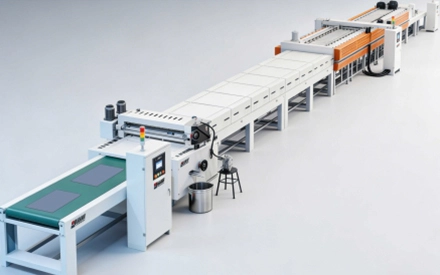
Continuous panel production can connect coating with upstream surface treatment and downstream drying or curing. You can place the machine within a UV roller coating line when UV primer or topcoat forms part of the finishing process.
A broader production route can also combine the coating section with panel cleaning equipment and paint drying equipment, keeping material movement continuous between processing stages.
Configure The Working Section Around Your Product
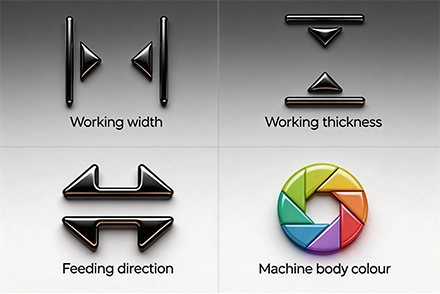
Working width, working thickness and feeding direction can be adjusted around your production layout. Roller materials can be selected for different substrates and paints, while conveying arrangements and rotation direction can be configured according to the intended coating process.
Standard Parameters:





 Photo
Photo