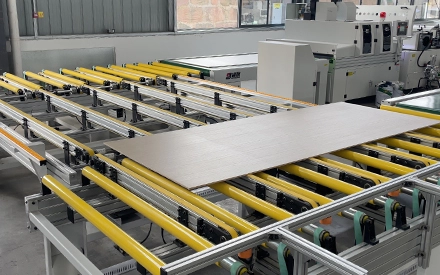
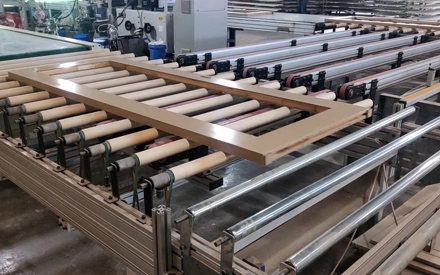
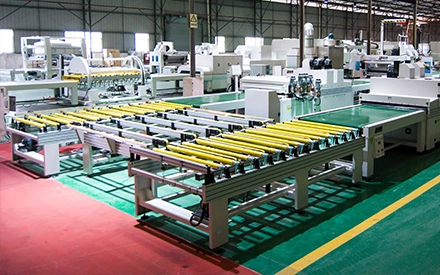
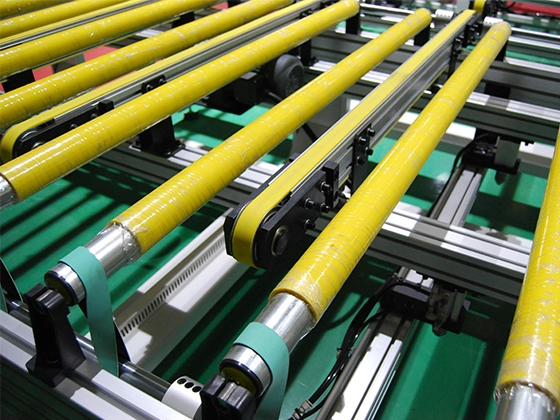
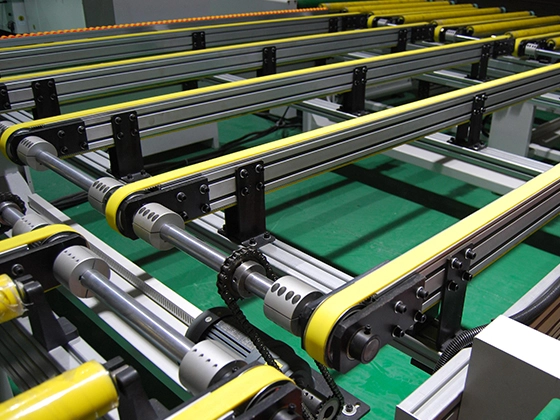
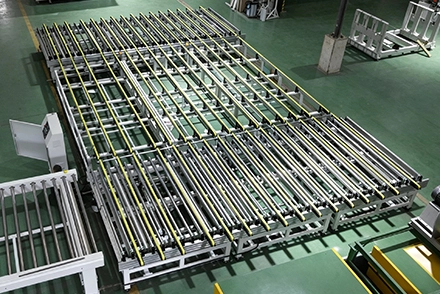
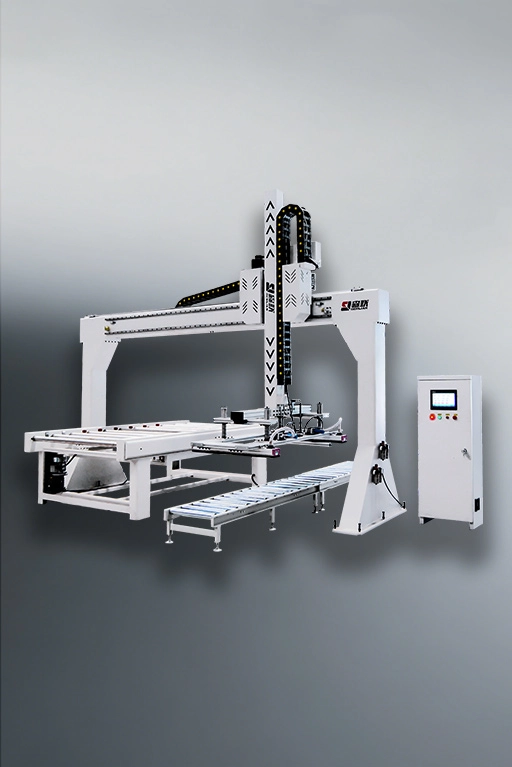
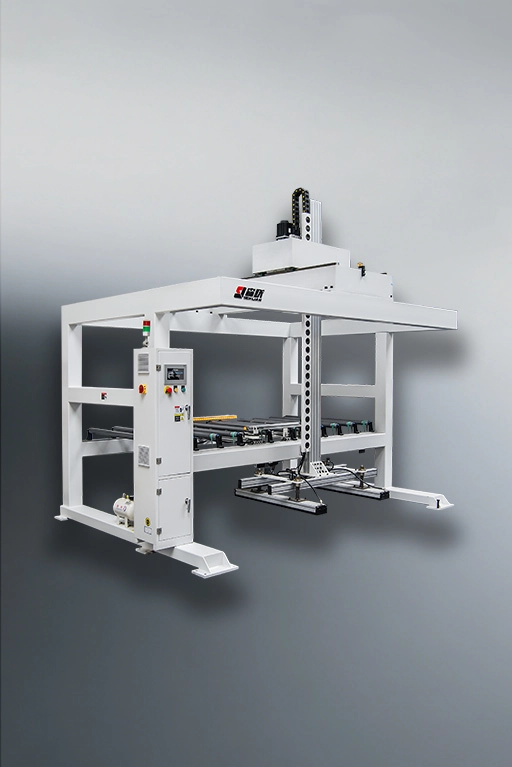
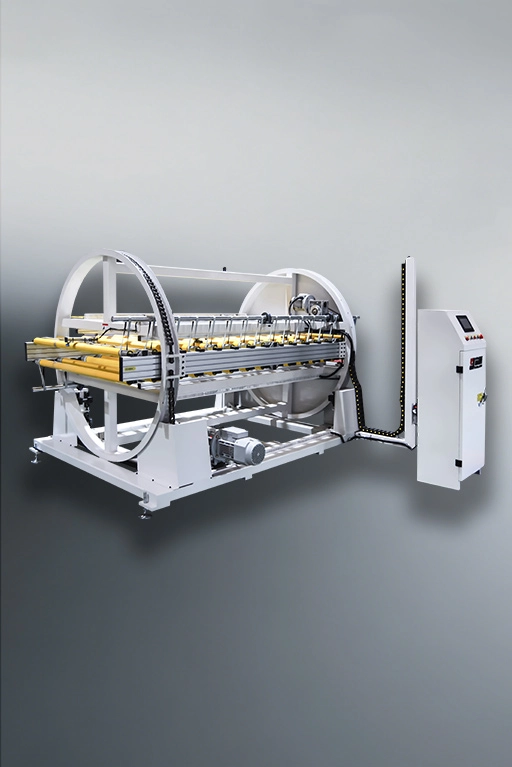
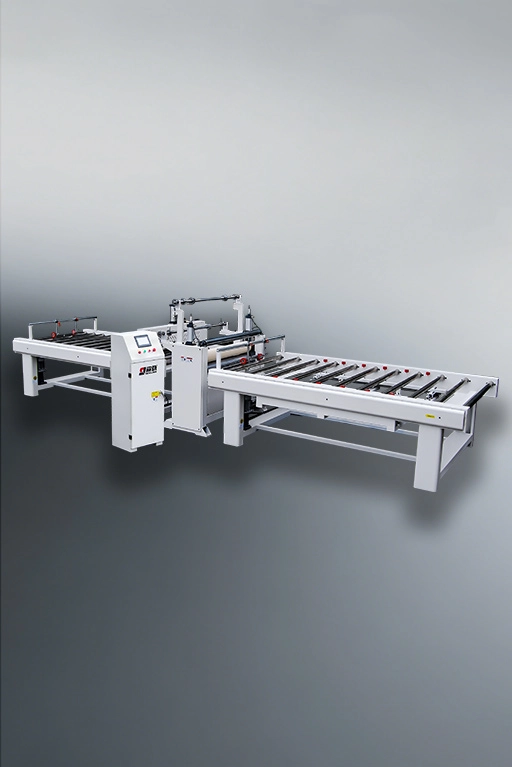
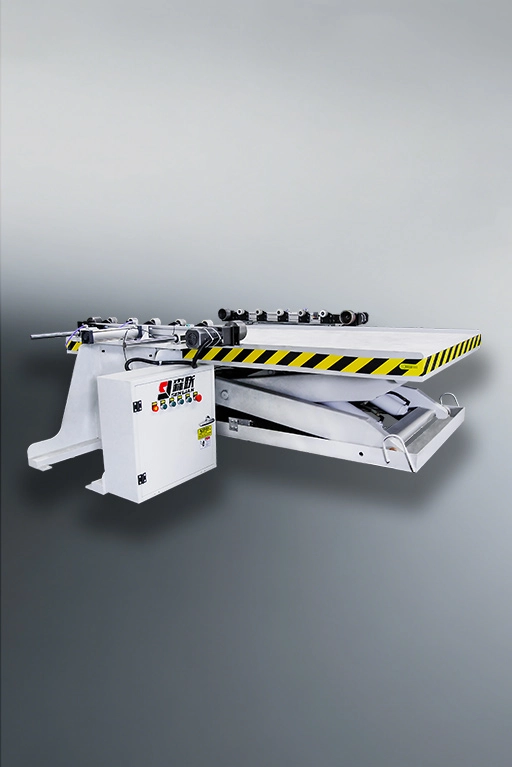
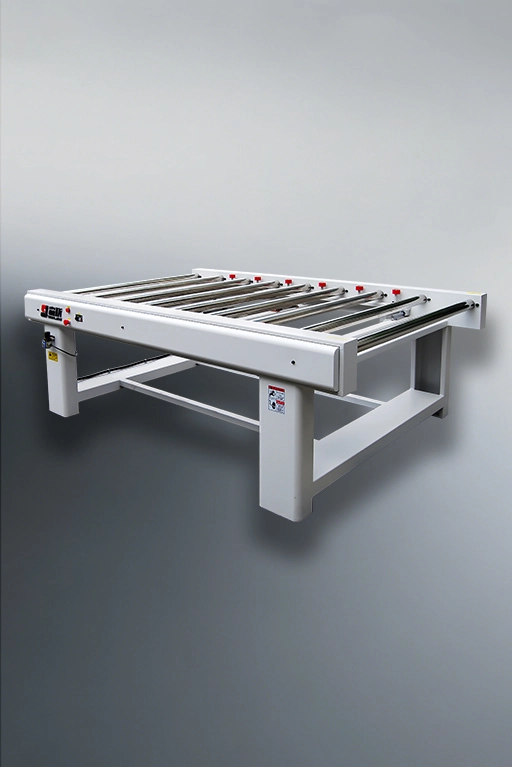
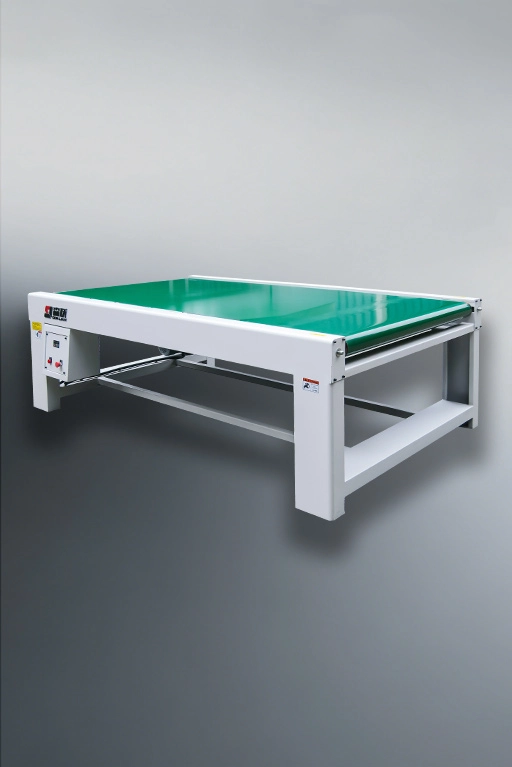
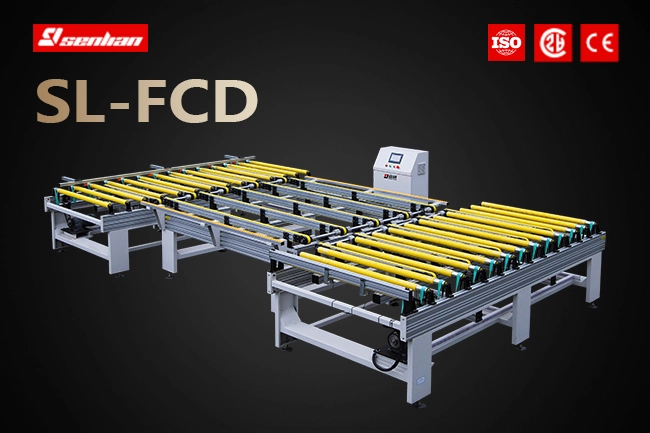
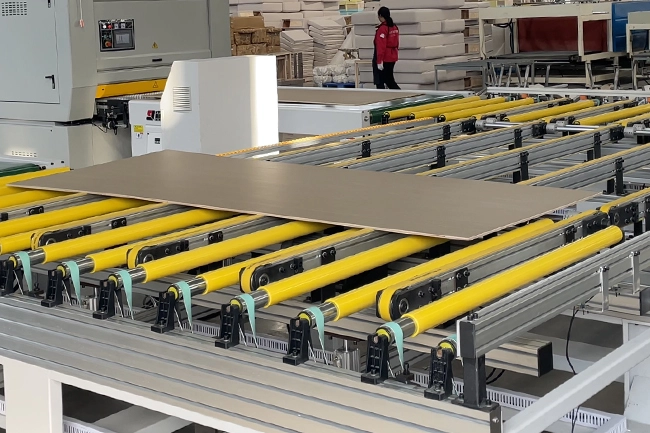
When your production route needs to continue on an adjacent line, the parallel transfer conveyor moves flat workpieces sideways while keeping their original orientation. The incoming roller section raises the panel, the central belt section carries it across the transfer zone, and the receiving roller section lowers it back to the working height for the next process. The panel changes routes without requiring manual lifting or rotation.
Plan the Transfer Around Your Line Layout
A cross-line section works best when its position follows the actual factory route rather than a fixed straight-line arrangement. Before confirming the configuration, you can match the equipment to:
- Maximum panel width and minimum workpiece length
- Distance between the entry and receiving lines
- Working height of connected equipment
- Required feeding direction
- Material type and surface condition
- Available transfer space
- Line speed, air supply, and electrical conditions
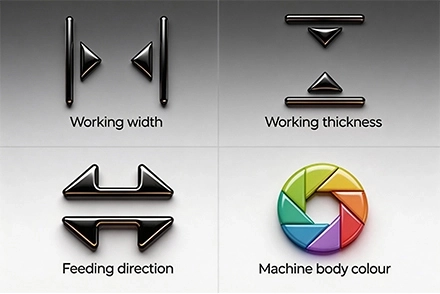
The standard SL-FCD1300 handles panels up to 1280 mm wide with a minimum processing length of 500 mm. Custom dimensions can accommodate layouts where standard spacing does not match the surrounding equipment.
Keep the Panel Orientation Through Lateral Transfer
The transfer sequence changes the workpiece position rather than turning the panel itself. This allows the receiving line to continue processing the same face and orientation while the production route moves sideways.
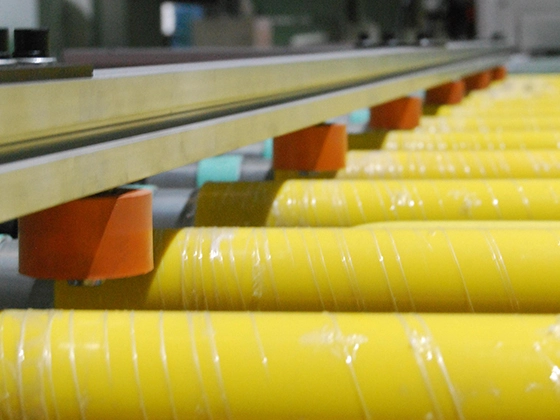
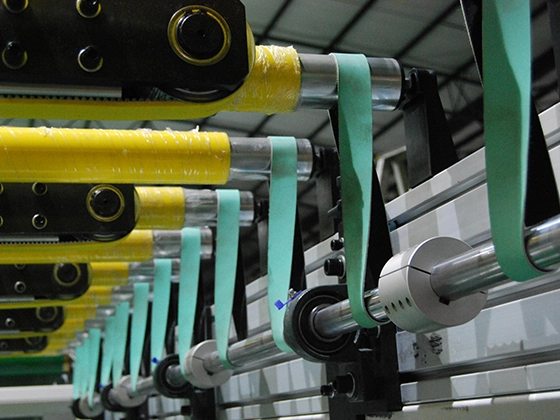
Roller sections support the panel during entry and discharge, while the intermediate belt section performs the lateral movement. The coordinated lifting and transfer sequence keeps the workpiece supported as it passes from one production path to another.
Route Panels Between Different Coating Processes
You can use the cross-line section where one processing route branches into another, where limited floor length prevents the line from continuing straight, or where workpieces need to move to a neighboring process.
It can also work with the wider automatic conveyor system when your line combines loading, centering, turning, lifting, or other transfer functions.
For coating operations, the same layout can route workpieces between different coating lines or move selected panels toward a separate processing section. The existing machine design also supports applications where defective workpieces leave the main route for rework or where products share an upstream primer process before entering different topcoat lines.
Fit the Transfer Section Into Your Production Route
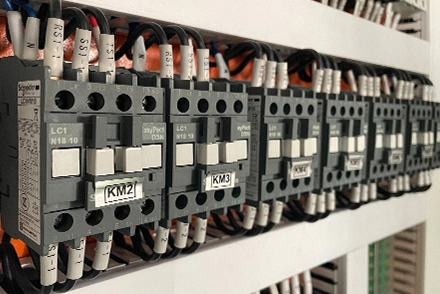
The standard configuration uses right-to-left conveying, while the listed operating range reaches 0–25 m/min. Air pressure is specified at 0.4–0.6 MPa and full power at 3 kW.
If your panel size, line spacing, or equipment arrangement differs from the standard setup, you can adjust the conveyor dimensions around the actual route. This keeps the cross-line movement aligned with the surrounding process instead of adding a separate handling stage.
Standard Parameters:




 Photo