



Fiber Cement Board Coating
Inorganic boards, including fiber cement, calcium silicate, and magnesium oxide boards, are ubiquitous in commercial buildings, industrial plants, residences, and clean hospital spaces. Surface coating is one of the most important steps in their processing.
What is Fiber Cement Board Coating Solution?
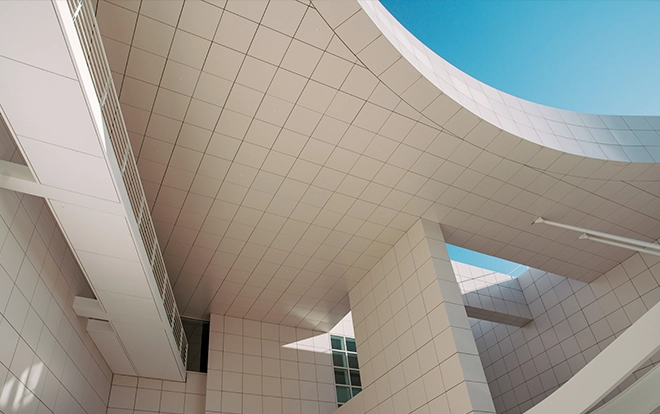
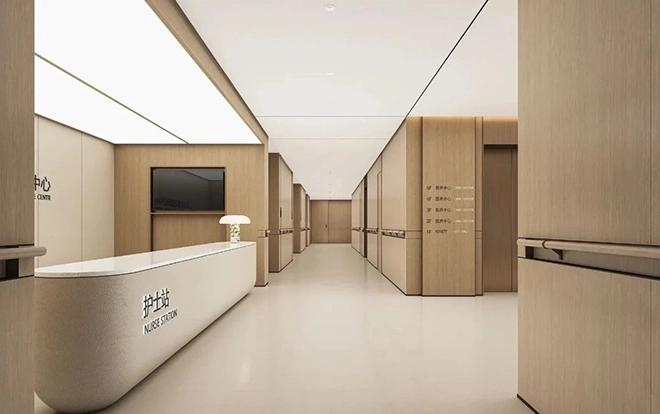
Featuring excellent fire, moisture, and corrosion resistance, structural stability, and environmental performance, fiber cement boards, calcium silicate boards, and magnesium oxide boards have emerged as mainstream materials for architectural decoration, clean spaces, exterior wall insulation, and fireproof partitions. Tailored to specific application scenarios, their surface coating processes are designed not only to boost aesthetic performance but also to enhance functional performance, such as weather resistance, scratch resistance, or antibacterial properties.
Specializing in automatic coating equipment, Senlian has developed one-stop automatic coating solutions based on its extensive experience collaborating with hundreds of fiber cement board manufacturers. These solutions encompass application characteristics, processing flows, advanced technologies, and modular equipment. This system helps board manufacturers enhance their core competitiveness and expand their development opportunities at lower cost, higher efficiency, and superior quality.
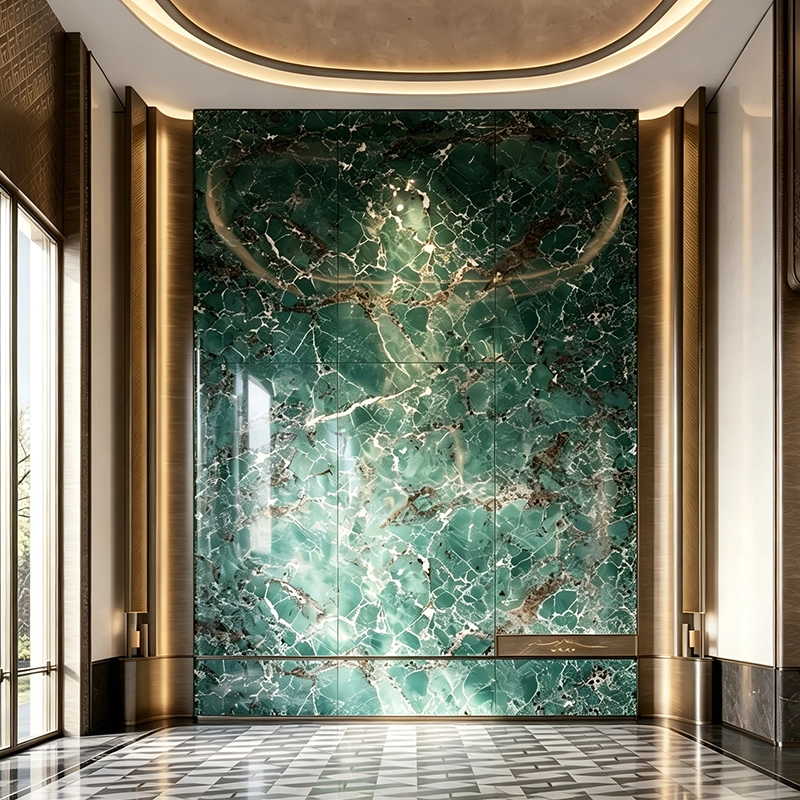
What are the features of Fiber Cement Board?
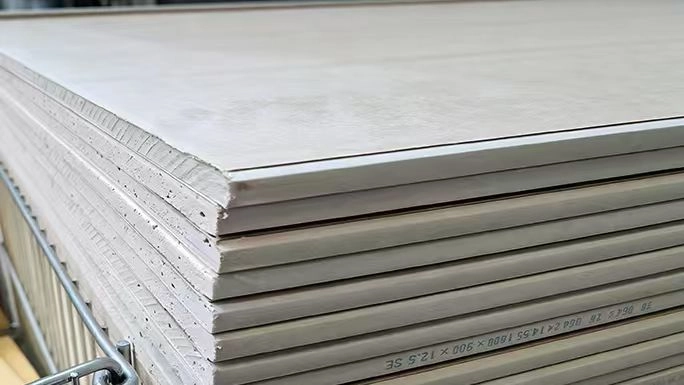
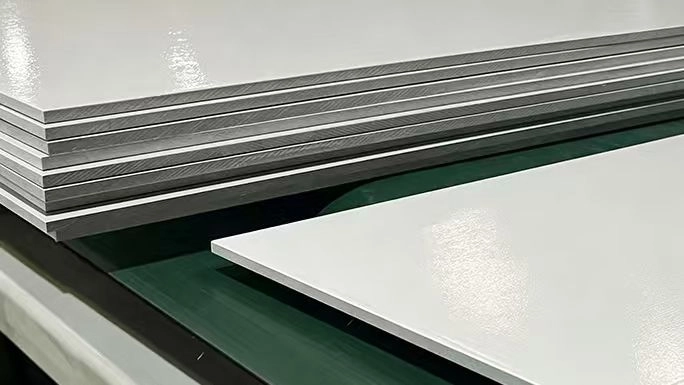
Fiber Cement Boards (FC Board)
- Fiber cement board is made primarily from cement, fiber, and quartz sand through processes such as pulping, molding, and curing. It has a wide thickness range, from 2.5 to 100 mm, and features a dense structure, high hardness, low deformation rate, and uniformly distributed fine pores on the surface. It offers excellent thermal insulation properties and strong weather resistance. During coating processing, precise control of coating uniformity and stability in mass production is crucial.
Calcium Silicate Boards (CS Board)
- Calcium silicate board is made from calcium silicate, fiber, and filler as core raw materials. It has a tobermorite crystal structure and a slightly lower density than fiber cement board. Its surface pores are more open, allowing for greater absorption and faster penetration of coatings. Therefore, we use carefully designed pretreatment and primer processes to stabilize the substrate and enhance coating adhesion. Then we apply intermediate and top coats based on the product application scenario.
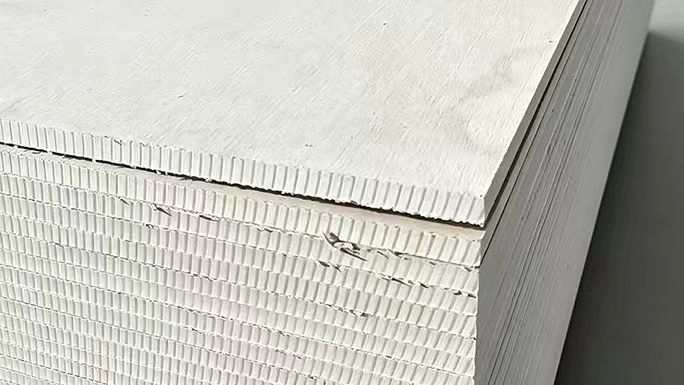
Magnesium Oxide Boards (MGO Board)
- Magnesium oxide board is a multifunctional fireproof board made from high-purity active magnesium oxide, magnesium chloride, alkali-resistant fiberglass cloth, and plant fiber as core raw materials. It is tough, can be bent into shape, lightweight, and easy to construct. However, its substrate is unevenly flat, and the surface pores are the loosest. Therefore, we use fine substrate sanding and multi-layer primer sealing process to improve the flatness of the board surface, inhibit substrate efflorescence and whitening, and improve the fullness and texture of the coating.
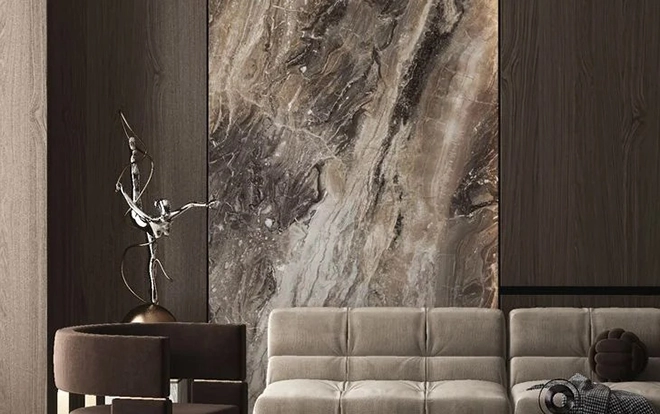
Fiber Cement Board Application
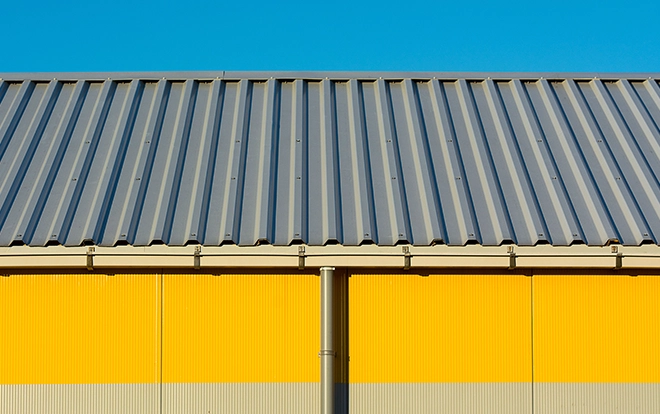
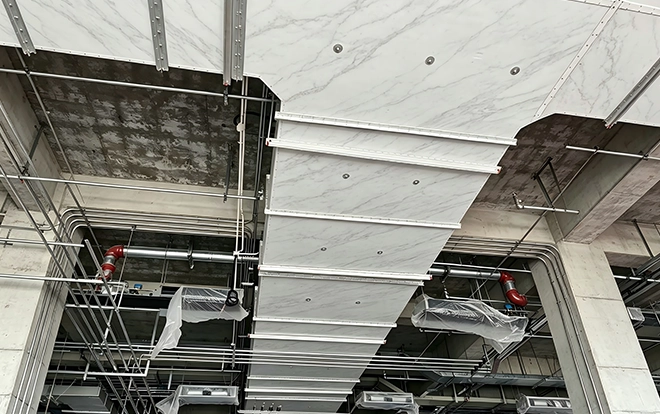
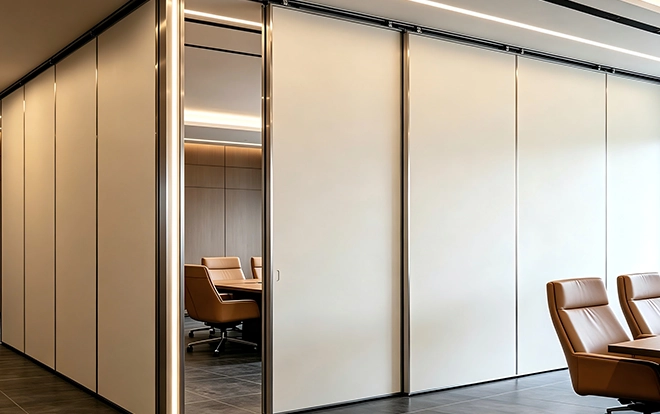
What are the processes of Fiber Cement Board Coating?
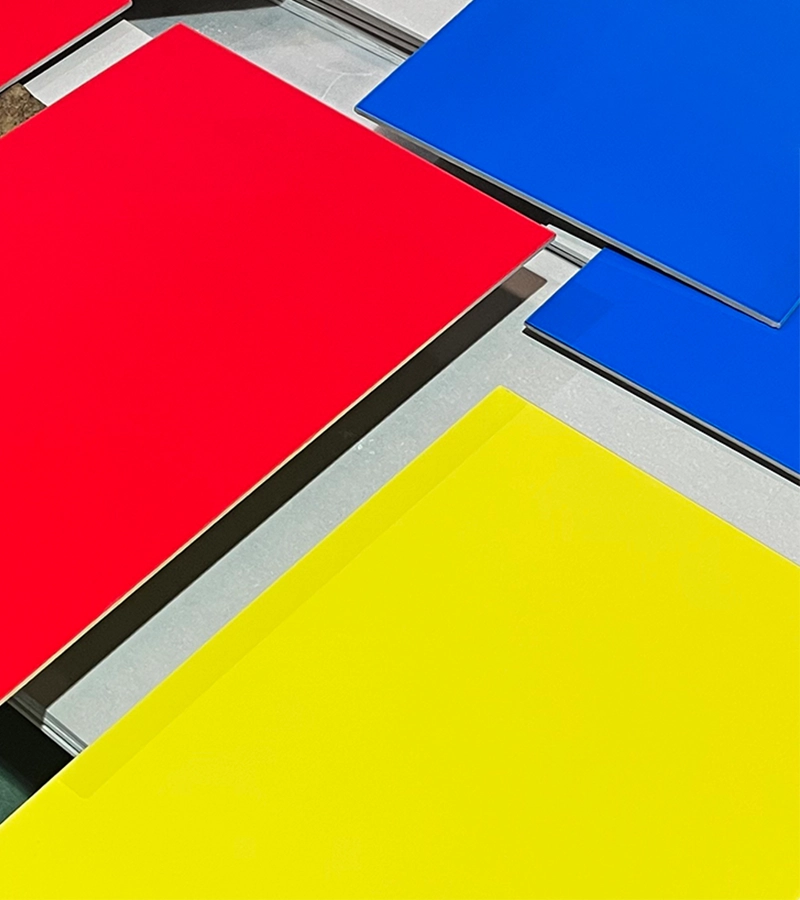
After the fiber cement board has been processed from raw materials and cut to semi-finished dimensions, it typically undergoes the following coating processes (one or more): pre-treatment, back-sealing coating, surface-penetrating coating, putty filling, priming, sanding, topcoating, leveling, drying, and insulation-layer pressing.
- Pre-treatment: Eliminate defects such as roughness, unevenness, dust, and dirt, ensuring the substrate enters the coating process in better condition.
- Back-sealing: The efficient back coating technology is used to apply a sealing primer to the back of the board and cure it immediately to form a barrier that effectively blocks moisture and alkaline substances and prevents deformation.
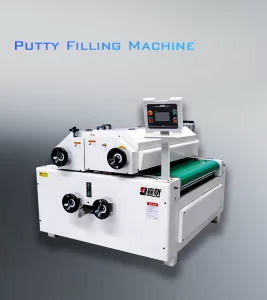
- Sealing and Priming: Through surface penetration coating, putty filling, and priming, the pores on the surface of fiber cement board are sealed, the substrate's color and texture are covered, and subsequent coating adhesion is improved, enhancing coating performance.
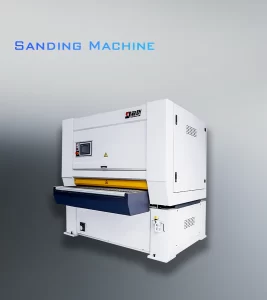
- Sanding: By finely sanding the primer, a smoother, flatter, and flawless coating can be obtained, and the subsequent topcoat can adhere more firmly to the primer.
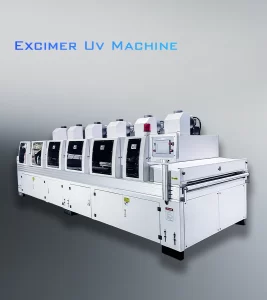
- Topcoating: The topcoat determines the product's appearance and surface properties. For outdoor conditions, fluorocarbon topcoats, real-stone paints, and water-based multicolor topcoats are commonly used, while for indoor conditions, excimer UV topcoats, UV transfer printing, and digital printing technologies are commonly used.
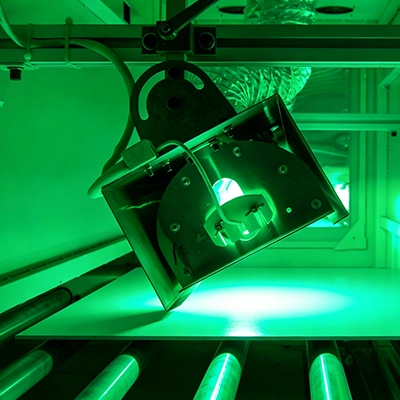
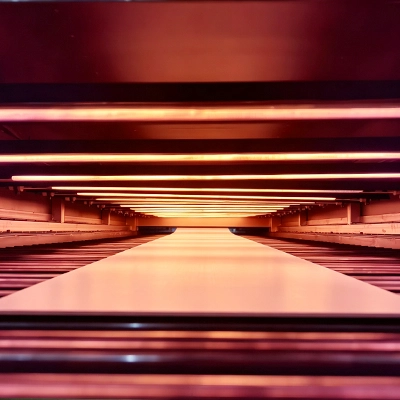
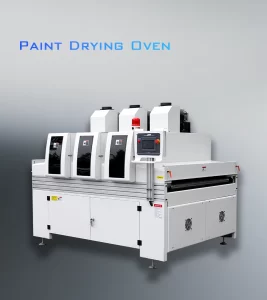
- Leveling and Drying: Under infrared heating, the solvent evaporates more quickly, bubbles in the coating are eliminated, and the coating surface becomes more uniform and smooth. Then, through UV photochemical reaction or heating treatment, the coating is thoroughly dried from the inside out.

What techniques are involved in Fiber Cement Board Coating?
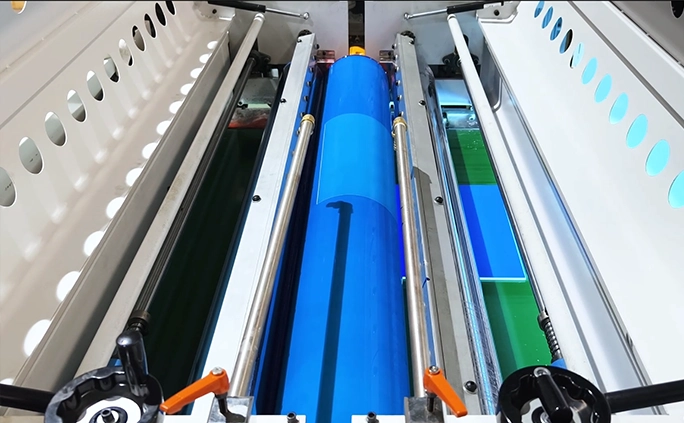
Roller Coating
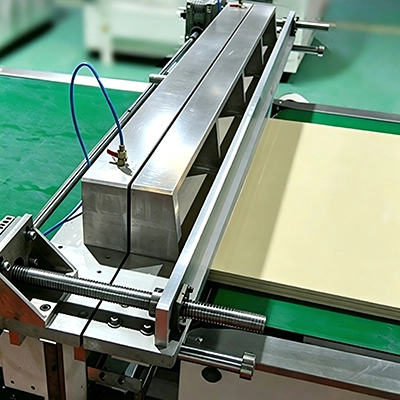
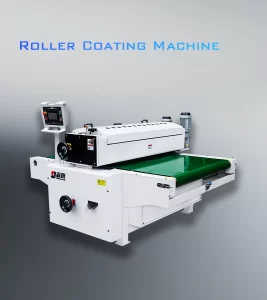
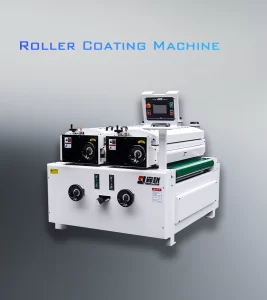
Roller coating machines serve as the preferred coating solution for fiber cement boards, including exterior walls, interior walls and corrugated roof panels. They minimize paint waste and achieve production speeds of up to 8-12m/min. Featuring broad compatibility with sealers, UV, fluorocarbon and excimer coatings, they deliver consistent high-quality coating finishes.
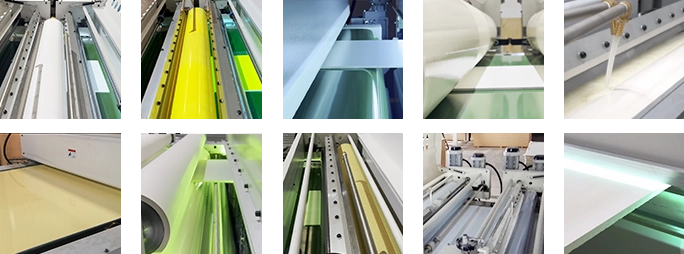
Curtain Coating
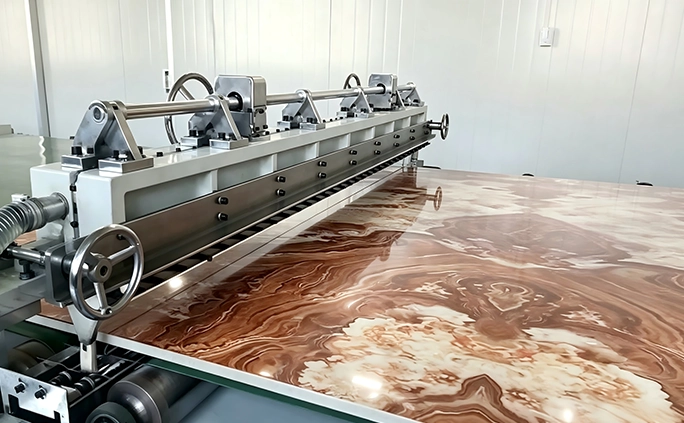
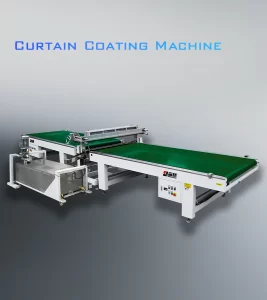
For fiber-cement board products requiring mirror-grade, high-gloss surfaces or heavy-film-build coatings, curtain coating lines are the premier solution. They are widely used for clear topcoats on inorganic pre-coated panels and decorative wall panels. They deliver plump, beautiful, smooth paint films free of horizontal streaks and pinhole bubbles.
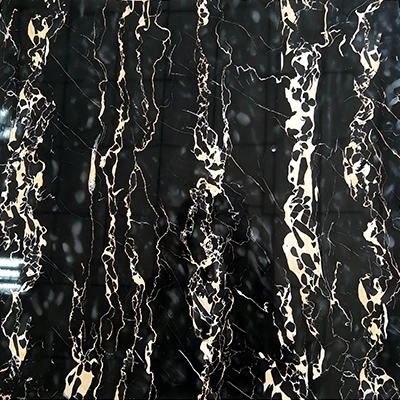
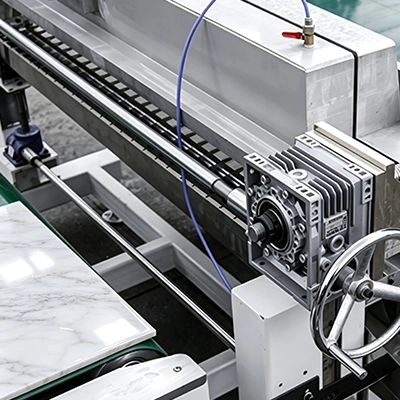
Spray Painting
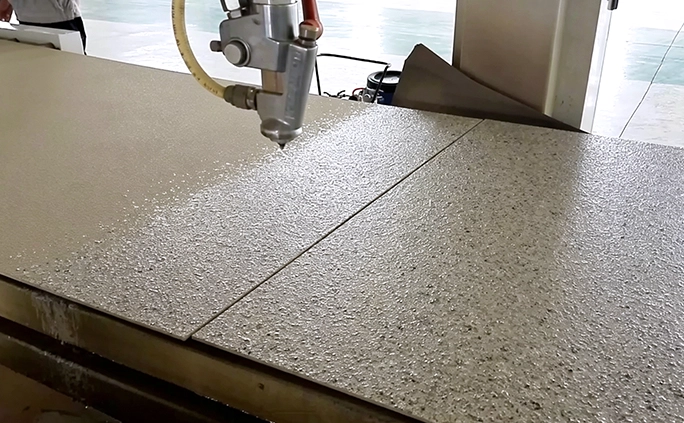
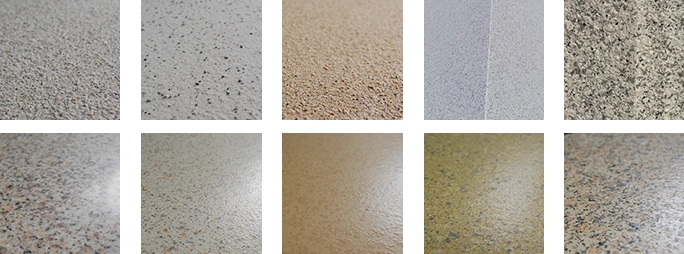
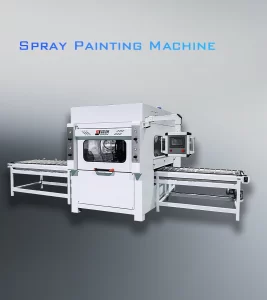
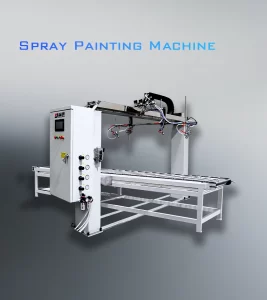
Spraying technology is vital in coating processes for real stone, imitation stone, and water-based multicolor paints. Real stone paint can create a thick texture similar to natural sandstone on the surface of fiber cement board; imitation stone paint provides a realistic lychee-finish granite texture; and water-based multicolor paint can create a texture effect almost identical to raw granite.
Corrugated Roof Coating
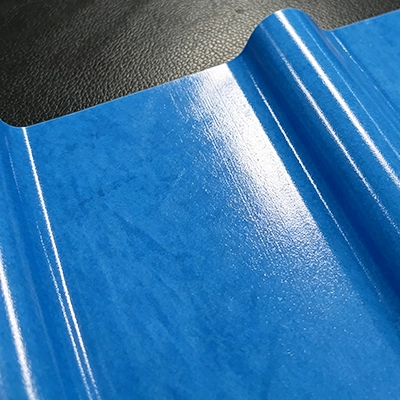
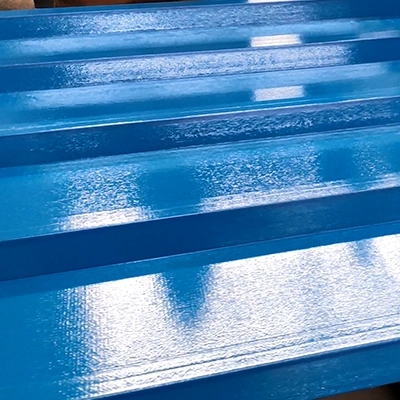
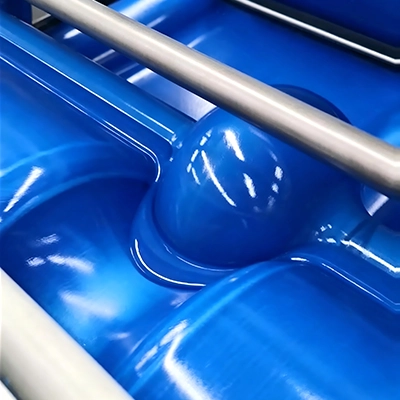
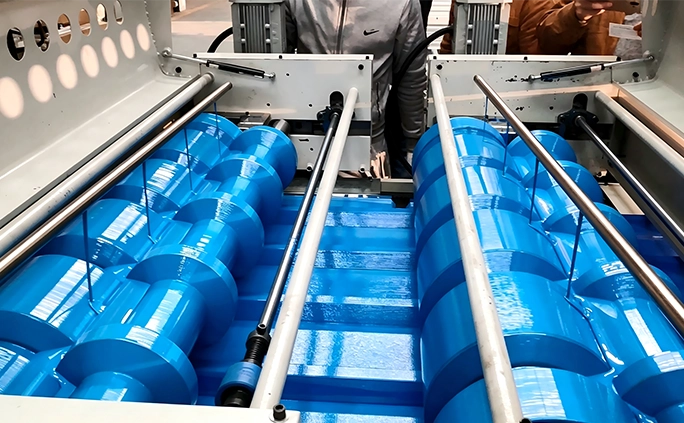
In response to the unique curved geometry of corrugated roofing panels, we adopted a custom-designed irregular roller mold to ensure the coating trajectory perfectly matches the panel's contour, achieving precise coating transfer and providing the panels with excellent corrosion and weather resistance, as well as anti-aging properties.
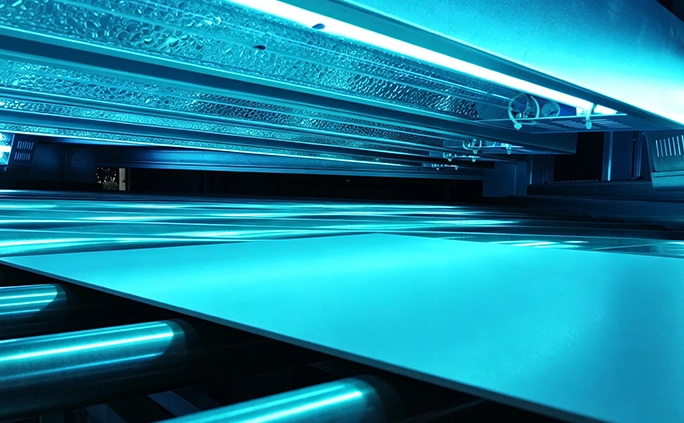
Excimer Soft-Touch
As an innovative technology, it can achieve an ultra-matte, soft-touch finish (a delicate, smooth texture like a baby's face) on the surfaces and edges of fiber cement, calcium silicate, or magnesium oxide boards. This coating has a hardness of up to 4H, is scratch-resistant, does not leave fingerprints, and has self-repairing properties.
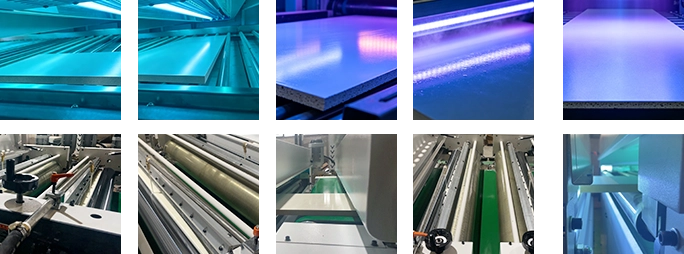
UV Transfer Printing
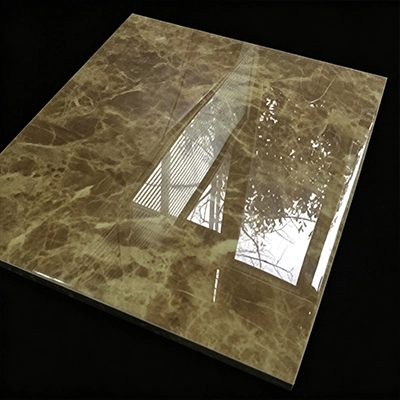
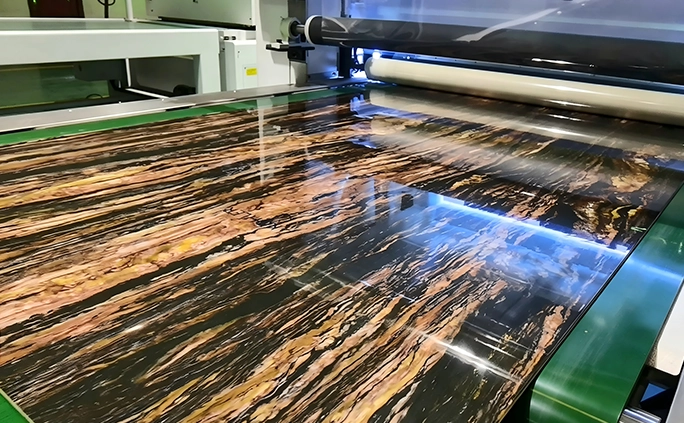
For engineering projects that require creating vivid wood grain, marble patterns, or specific designs on the surface of fiber cement boards, calcium silicate boards, or magnesium oxide boards in large quantities, UV transfer printing technology, with its advantages of high efficiency and low cost, has become the preferred coating solution for interior wall decorative panels.
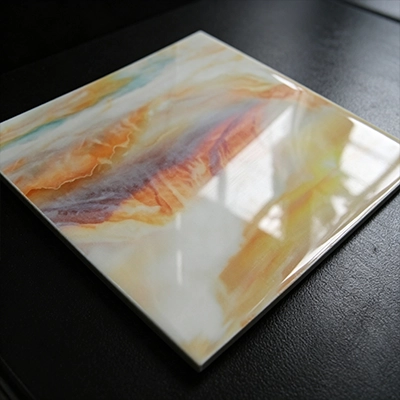
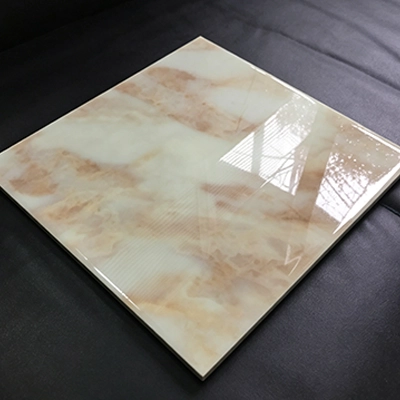
Digital Printing
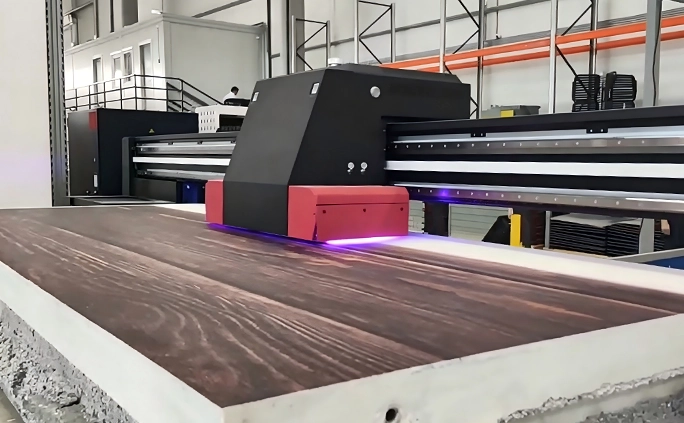
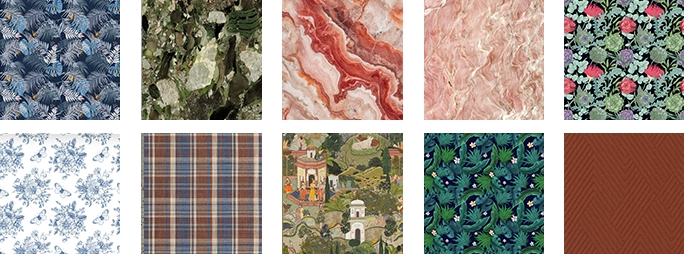
For high-end interior decoration that requires creating unique, personalized, and customized patterns on fiber cement, calcium silicate, or magnesium oxide boards, digital printing technology, with its exquisite printing texture and perfect detail, provides a coating solution that enhances competitiveness and increases product profitability.
Drying and Curing
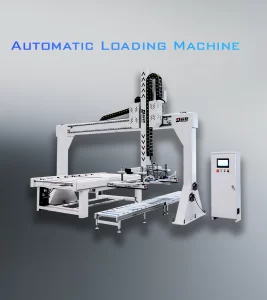
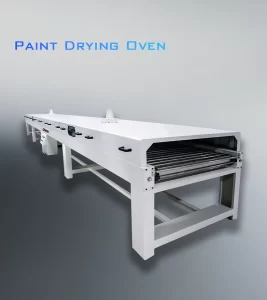
Drying techniques vary depending on the type of coating. Common techniques used in fiber cement board coating include UV curing, infrared leveling, hot air circulation systems, and infrared drying. To save energy, reduce costs, and accelerate return on investment, we also offer technologies for automatic loading and unloading from drying racks.
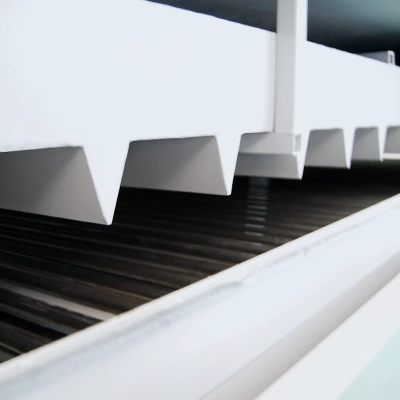
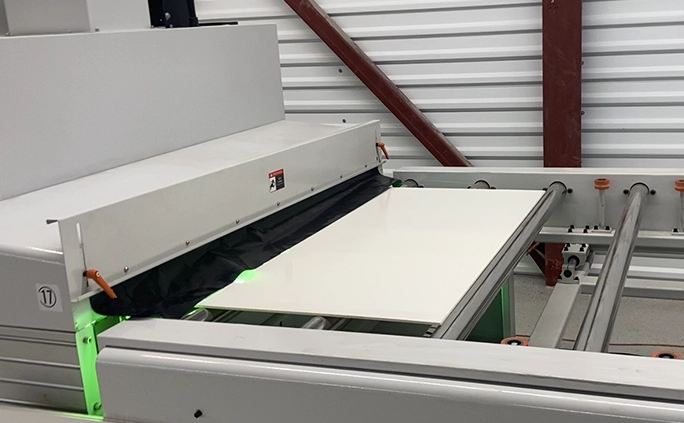
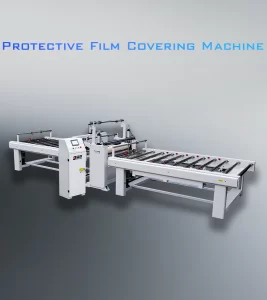
Here is our selected equipment for your Fiber Cement Board Coating needs.
Explore our success stories in Fiber Cement Board Coating.
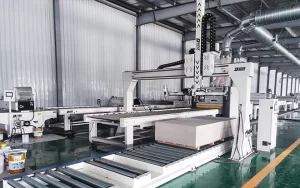
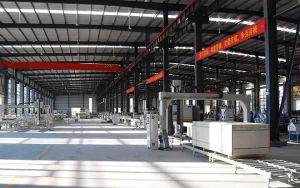
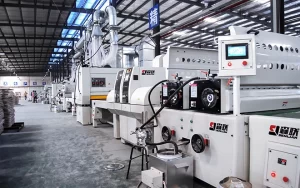
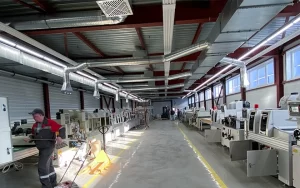
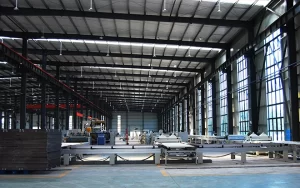
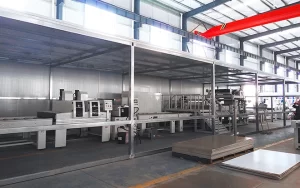
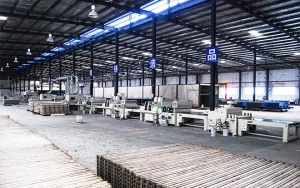

Comprehensive Fiber Cement Board Coating Solution
Before sales, we offer a comprehensive fiber cement board coating solution, including raw materials, coatings, equipment, and environmental facilities. After sales, we provide pre-shipment simulated production testing, installation, training, production support, and online assistance to fully ensure your coating quality and efficiency exceed expectations.