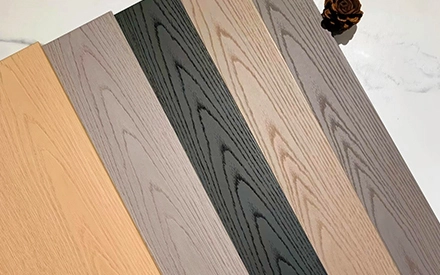
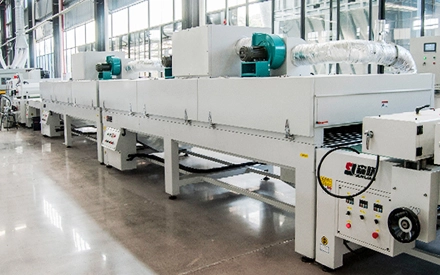
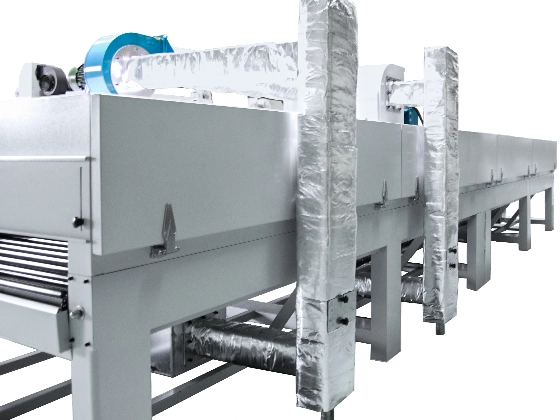
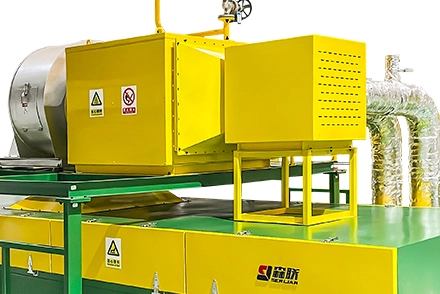
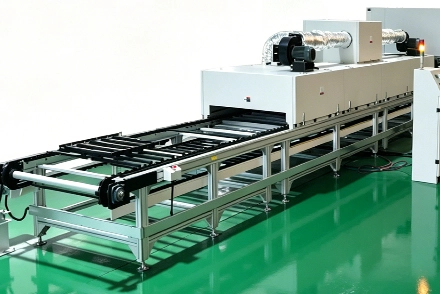
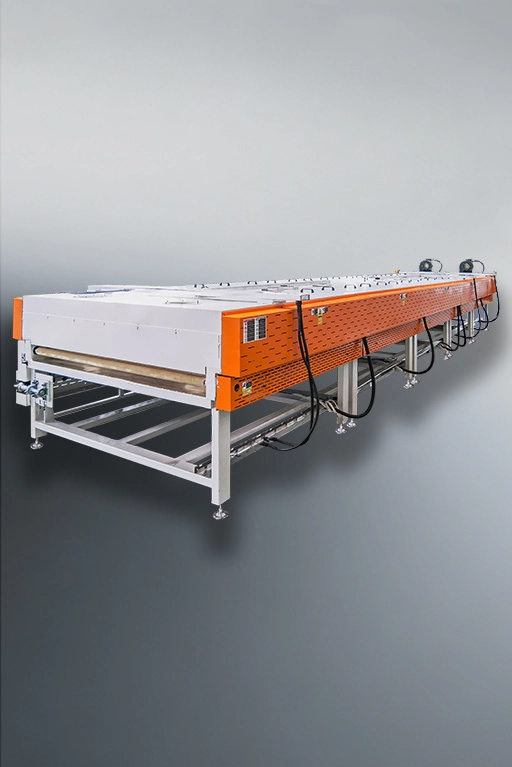
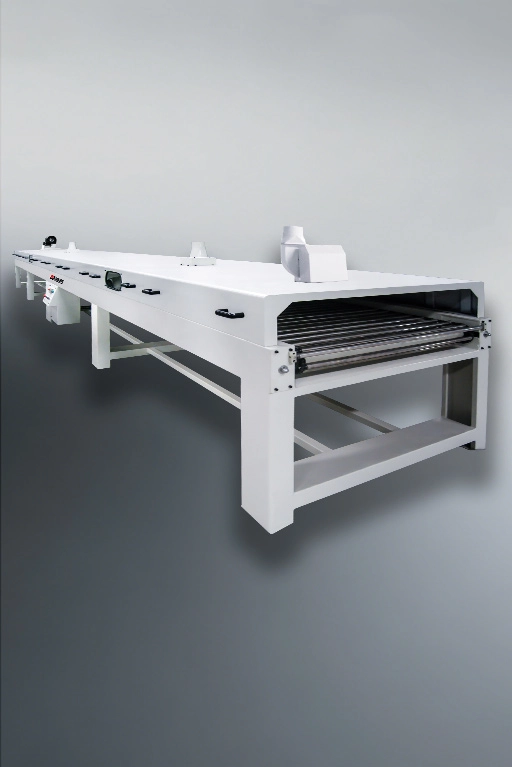
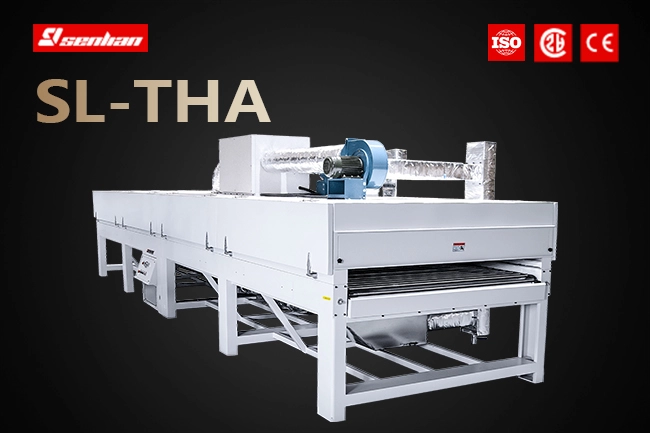
The hot air drying oven moves heated air across coated panels through internal air knives, then returns part of that air to the heating section for reuse. As your workpiece travels through the chamber, circulating airflow carries moisture away from the coating while the exhaust path removes moisture-laden air and VOCs. This drying method suits water-based coatings on wood, glass, metal sheets, ceramic, and fiber cement boards.
Keep Heated Air Moving Across the Coating
Drying depends on airflow as well as temperature. Heated air reaches the coated surface, removes evaporated moisture, and carries it away from the workpiece. Inside the oven, the process combines:
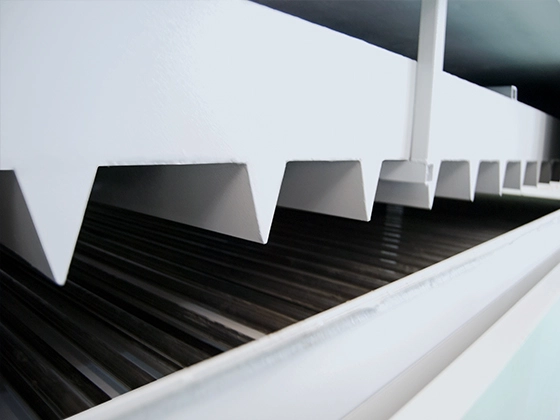
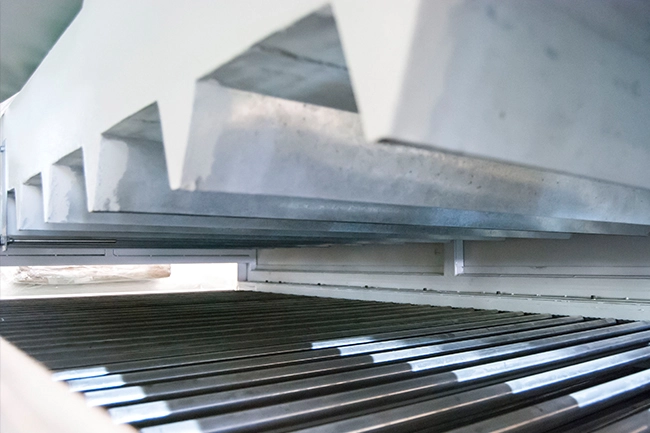
- Internal air knives distributing heated air across the panel path
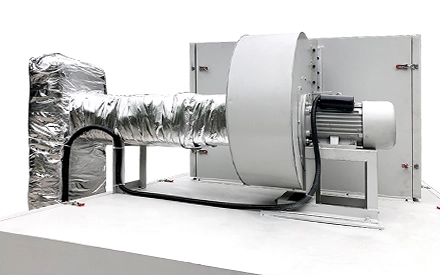
- Circulation fans keeping air moving through the drying chamber
- Return-air ducts sending part of the heated air back to the heating section
- Exhaust removing air that carries moisture and VOCs
- Thermal insulation reducing heat loss through the enclosure
This circulation loop keeps heated air working inside the process instead of relying only on fresh air for each pass.
Match Oven Length to the Drying Stage
You can use hot air for surface drying or a deeper drying stage, and those duties require different residence times. A shorter section can suit partial drying, while a longer tunnel keeps the coating under circulating heat for more time when deeper moisture removal is needed.
Line speed changes the same relationship. Faster conveying shortens the time each panel remains inside the heated zone, so oven length should follow the coating condition, production speed, and required drying state.
Select the Heating and Conveyor Arrangement
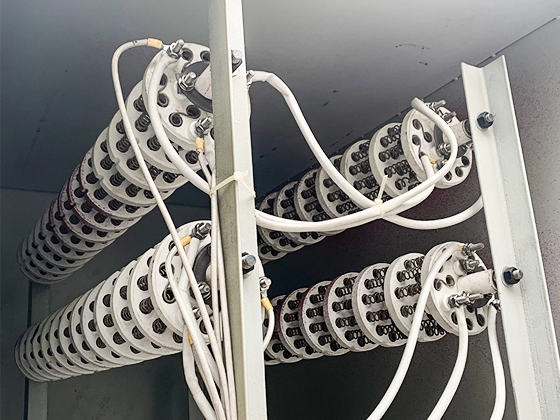
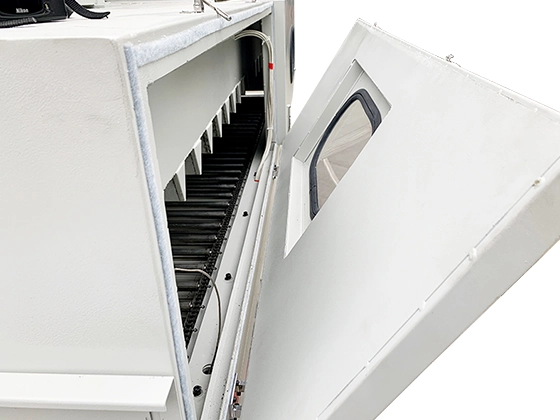
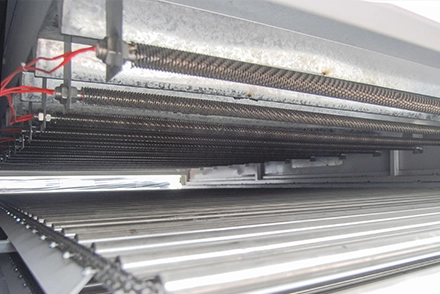
The standard system uses ceramic radiation tubes to heat the air, while far-infrared assistance can be added where faster temperature rise is required. The working table can use a steel pipe chain conveyor, steel rollers, or a PE belt according to the workpiece and transfer requirement.
This allows the drying section to handle different flat materials without separating the thermal process from the conveying method.
Connect Drying With the Coating Process
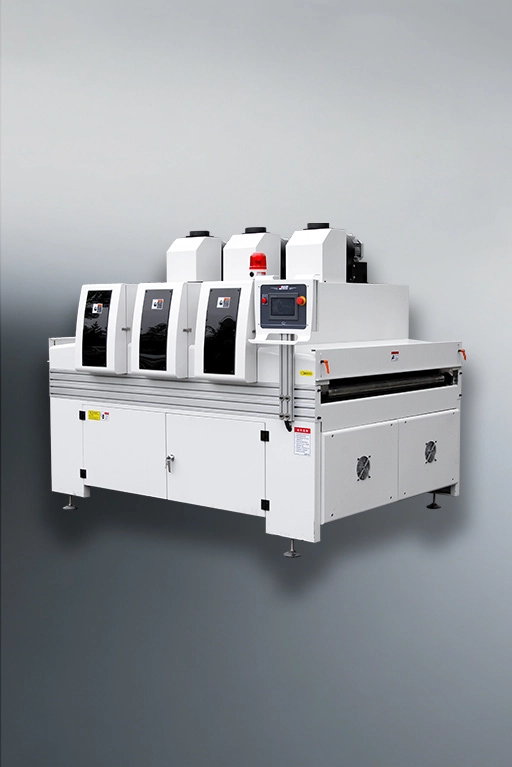
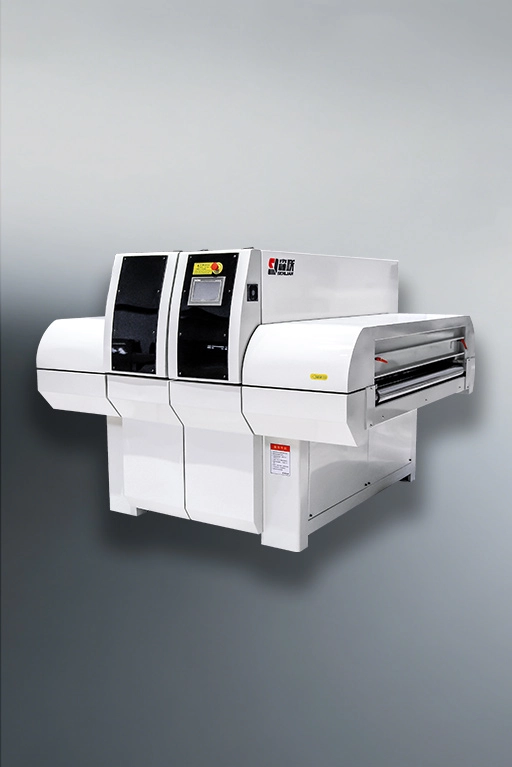
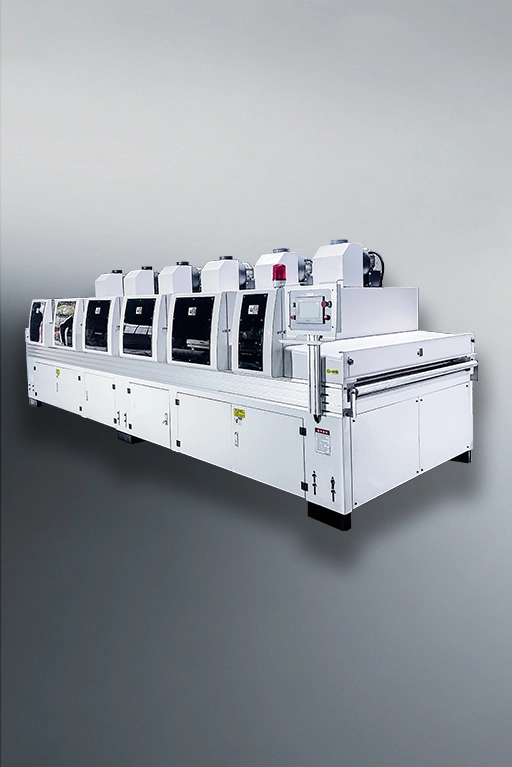
Coated panels can move directly into the oven and continue downstream after reaching the required drying condition. You can integrate the section into a wood coating process or select another solution from the paint drying oven range when the coating requires infrared heating, UV curing, LED UV curing, or high-temperature drying.
Standard Parameters:





 Photo
Photo