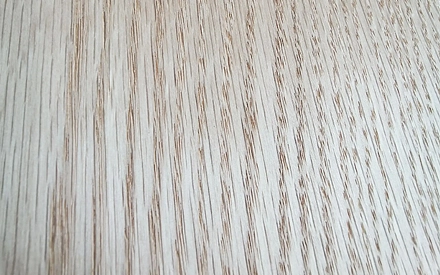
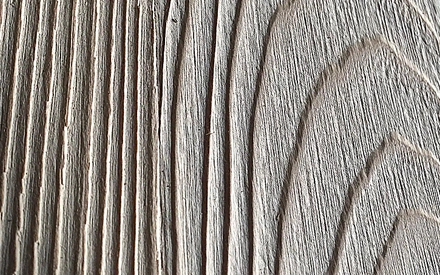
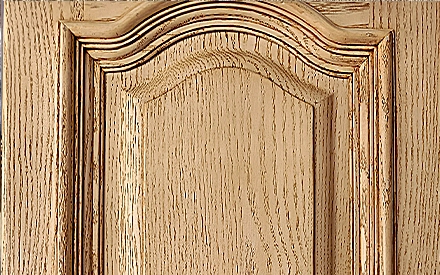
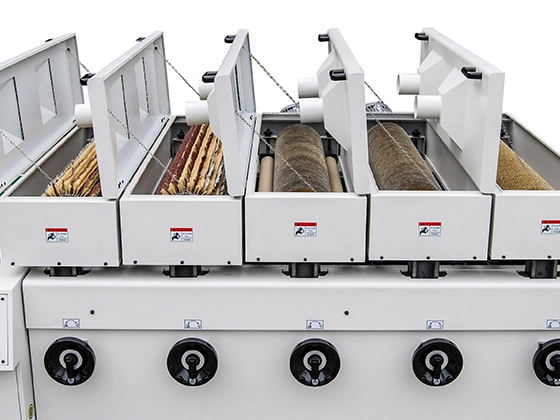
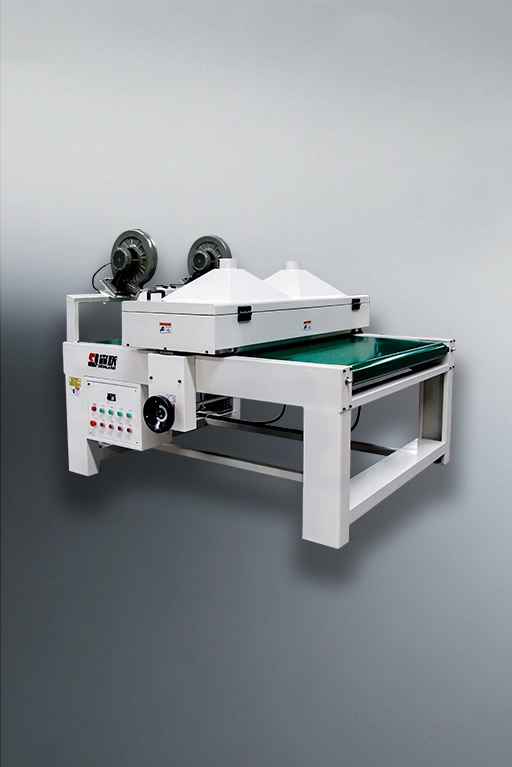
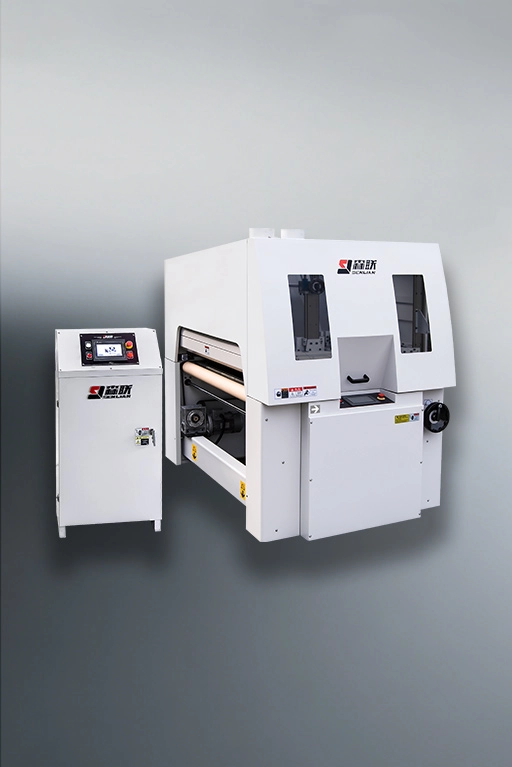
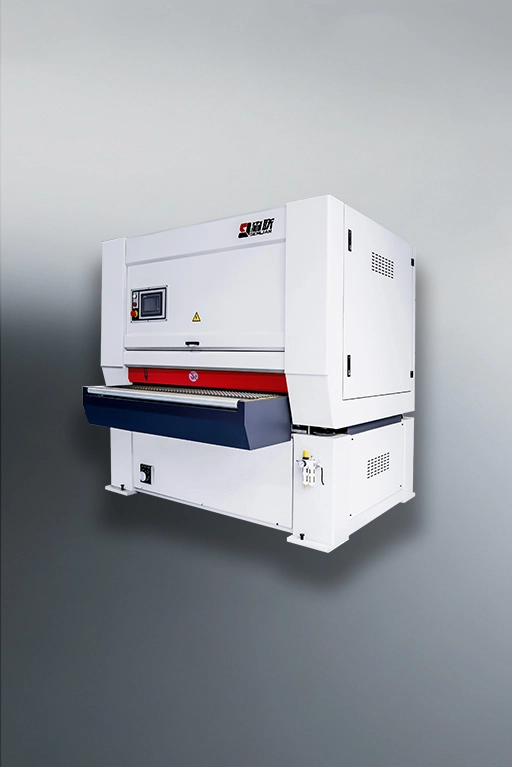
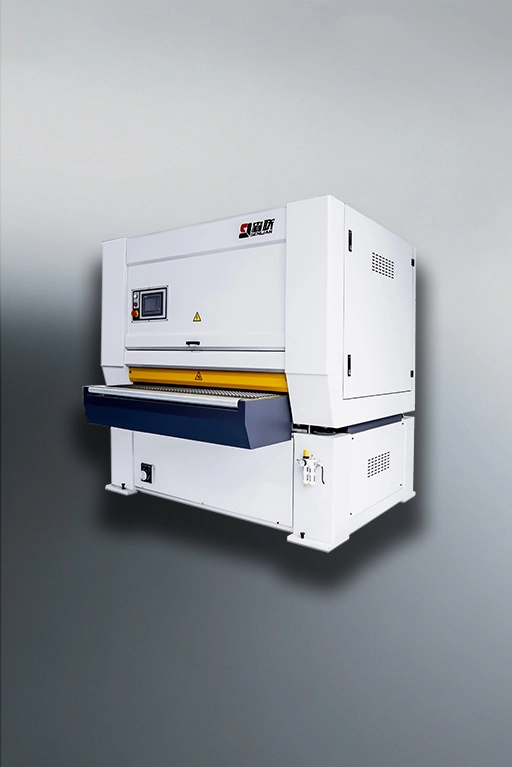
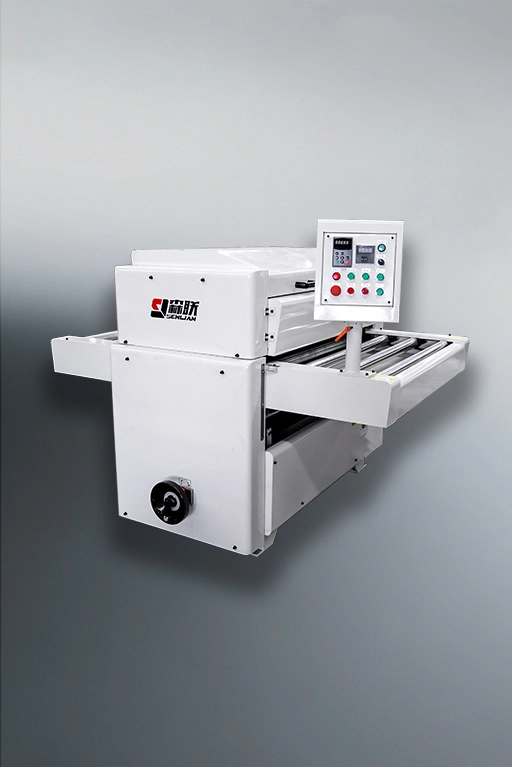
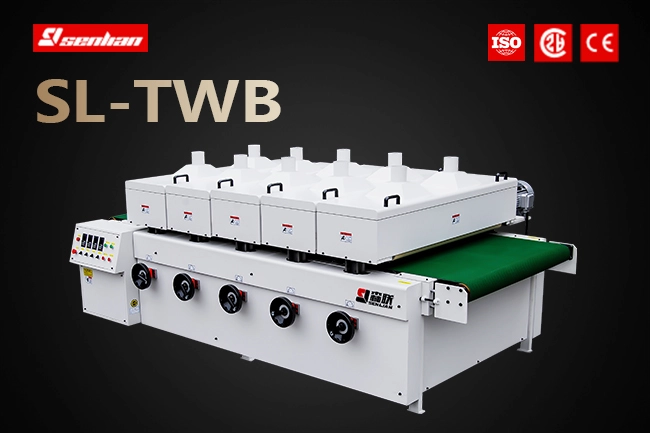
The wire brushing machine for wood brings out the natural contrast between softer and harder wood fibers instead of sanding the surface flat. As the panel moves through the machine, rotating brush rollers work along the grain, removing softer material and opening the texture. You can combine different roller types to move from initial grain drawing to groove refinement and final brushing within one continuous pass.
Build the Grain Through Several Brush Stages
Texture develops progressively as the workpiece passes beneath the roller groups. Rather than asking one brush to create the entire finish, you can divide the work across different contact materials:
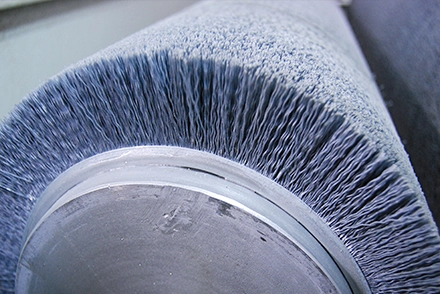
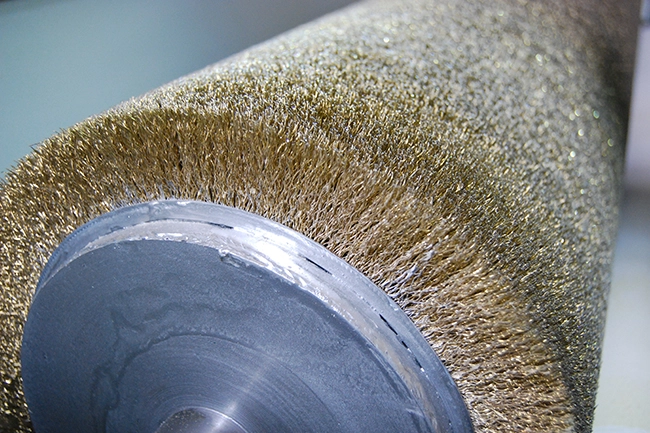
- Steel wire rollers open the softer areas around the natural grain
- Grinding wire brushes refine the recessed texture
- Sisal rollers brush and smooth the raised grain
- Different wire diameters can match varying wood hardness and texture depth
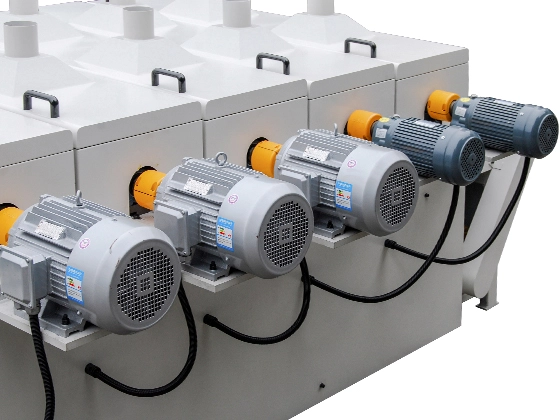
- Independent roller drives keep each working section operating separately
This staged arrangement gives you more control over how pronounced the final grain becomes before the surface moves into decorative finishing.
Adjust Texture Depth to Suit the Wood Surface
Not every panel needs the same drawing depth. A lightly brushed surface can retain a restrained natural grain, while deeper processing creates stronger grooves and a more aged visual effect.
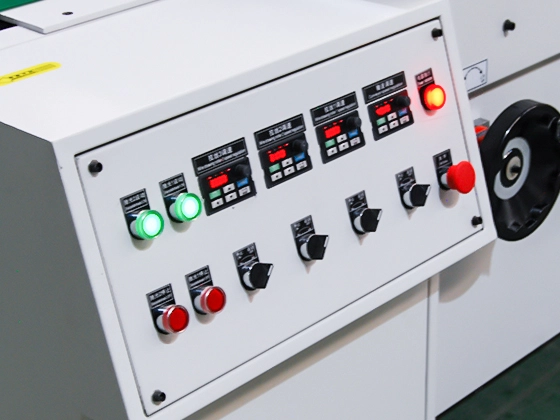
Roller speed and conveying speed can be adjusted to change the interaction between the brush and workpiece. Handwheel adjustments on the machine provide another way to set the working position of individual roller sections. This lets you tune the texture around the actual wood species, veneer surface, and required finish instead of relying on one fixed brushing condition.
Prepare the Grain for Decorative Finishing
Once the softer fibers have been removed, the raised and recessed grain responds differently to subsequent finishing processes. Stain can settle into the opened texture, while open-grain coating can preserve the relief instead of covering it with a flat surface.
The brushed panel can continue into a wood coating process for staining, open-grain finishing, vintage effects, or other decorative treatments. Where additional cleaning is needed after brushing, related surface treatment equipment can be placed before coating.
Keep Multiple Rollers Working as One Texture Sequence
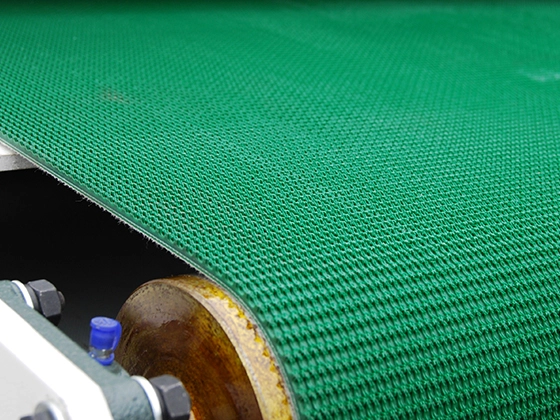
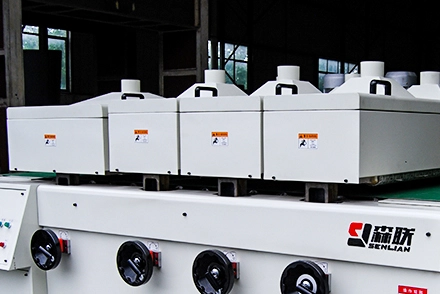
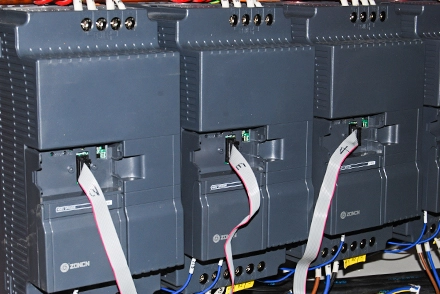
Each working roller uses an independent motor, so the drawing and polishing sections do not depend on one shared drive. The anti-slip conveyor supports the workpiece beneath the roller groups while the control panel gives you separate adjustment points for the processing sections.
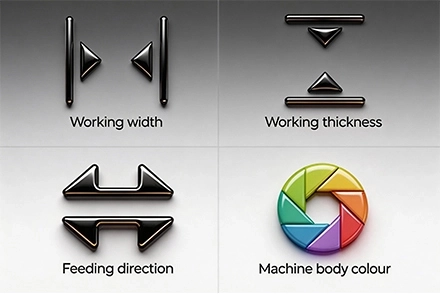
Standard Parameters:






 Photo