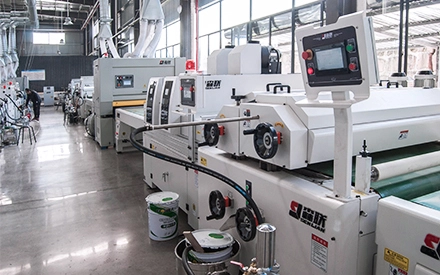
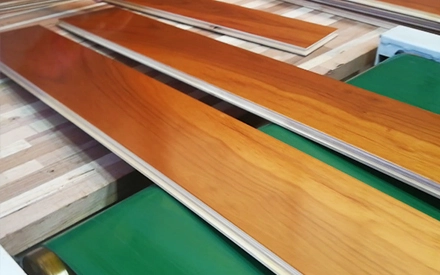
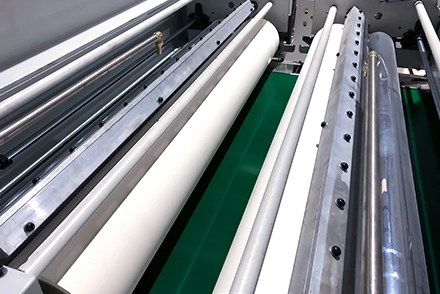
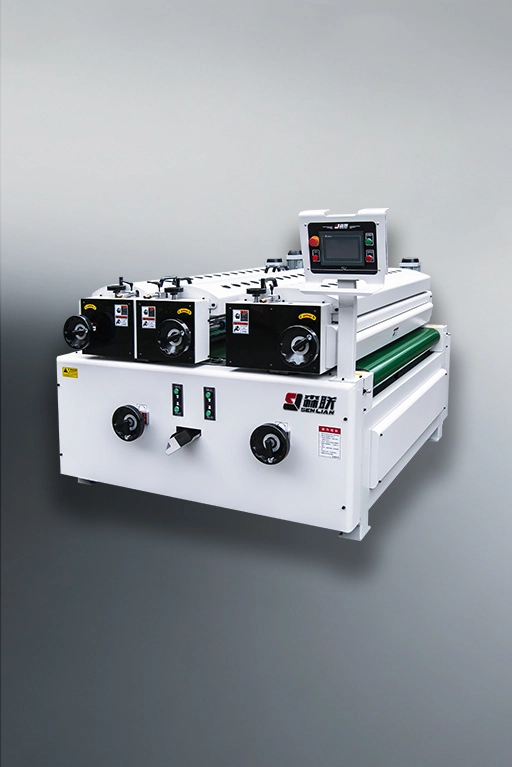
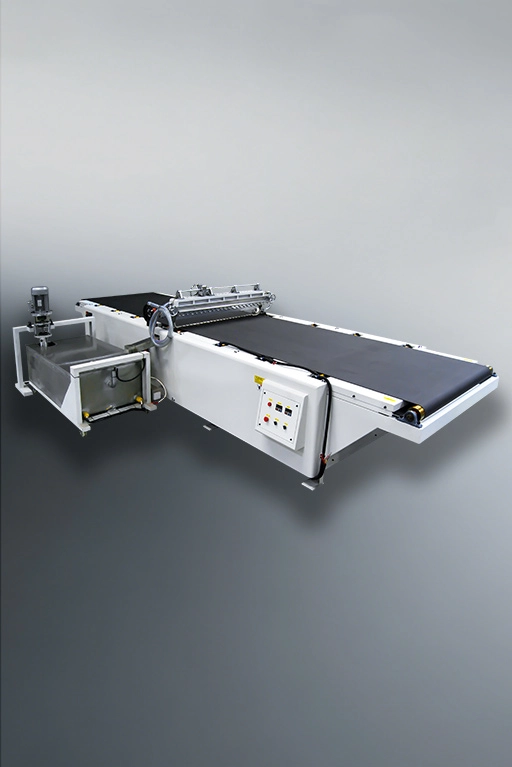
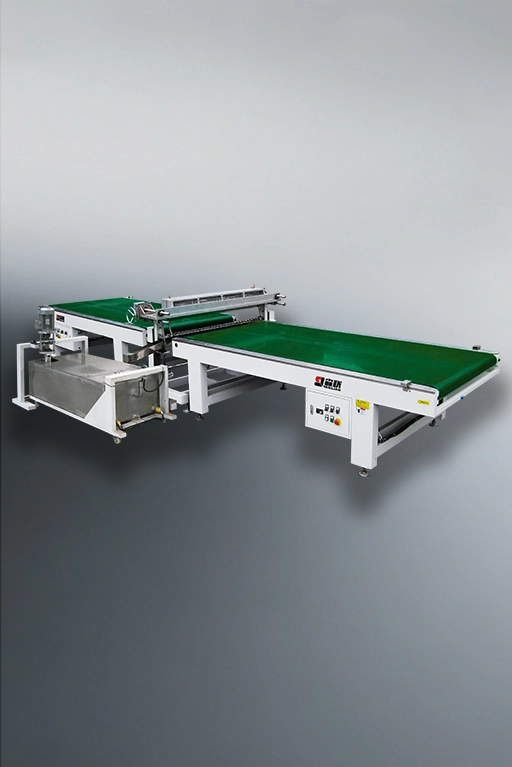
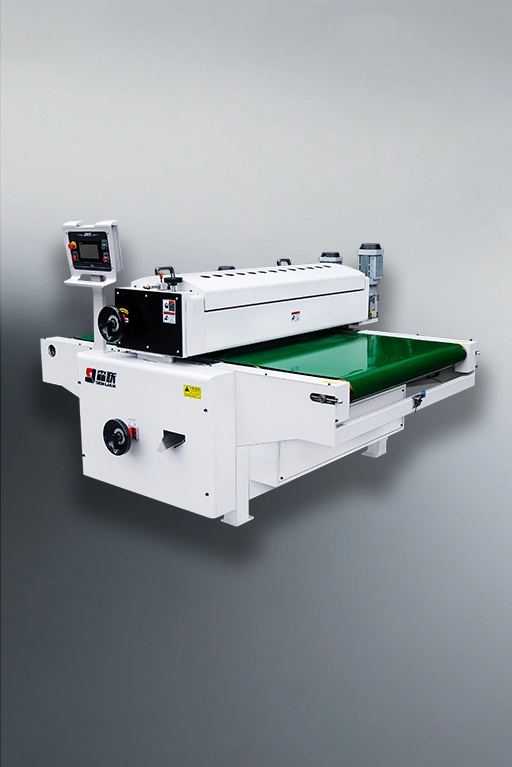
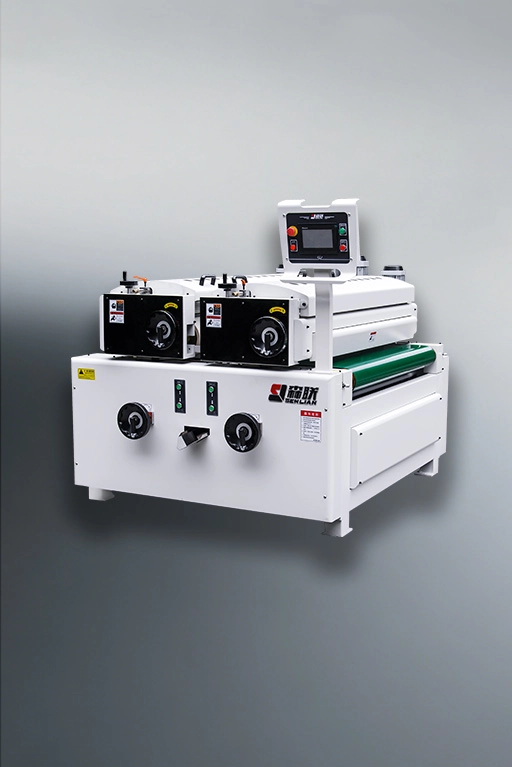
The putty filling machine applies UV putty into open surface pores of flat boards before sealing, priming, and finishing. Instead of only spreading a coating layer across the top surface, the filling process uses rubber and stainless steel rollers in sequence to push filler material deeper into the substrate structure.
SENLIAN uv putty filling machine is suitable for wood, MDF, plywood, fiber cement board, MGO board, and other porous flat substrates. The process supports furniture, cabinets, doors, flooring, bathroom products, and building wall panels where surface preparation affects the following coating stages.
Let The Roller System Complete The Filling Process
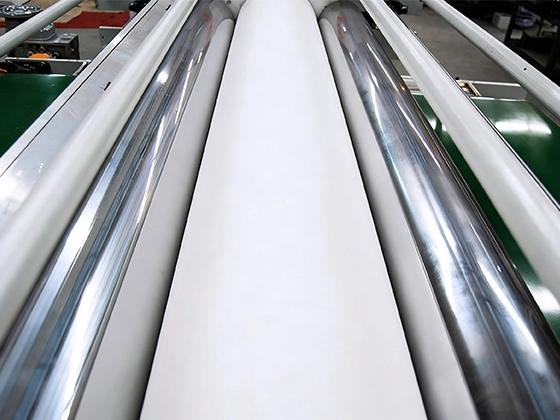
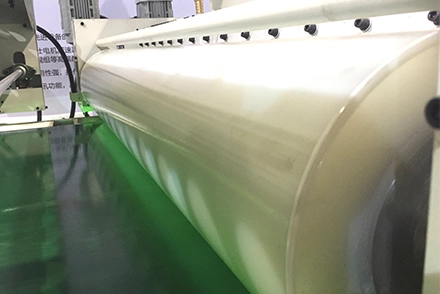
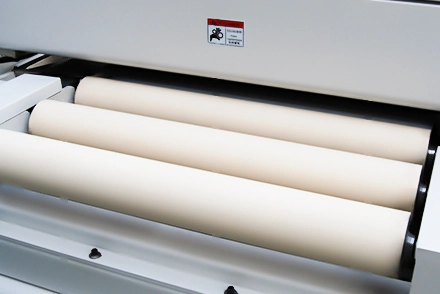
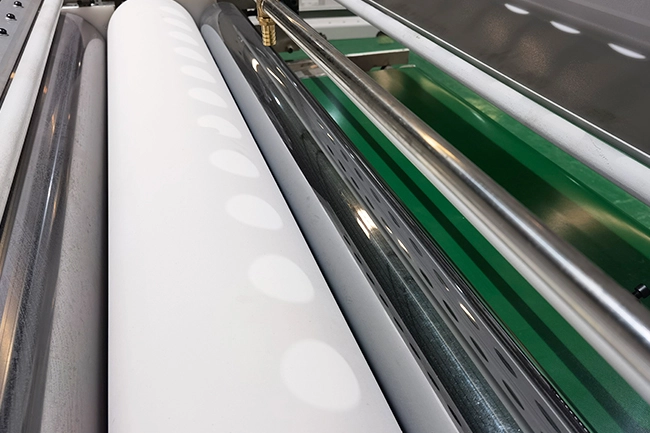
UV putty enters the working section through the rubber roller and spreads across the panel surface. Stainless steel rollers then regulate the material distribution and apply additional pressure, driving the filler into open pores and surface cavities.
Each roller performs a specific function during the filling sequence:
- Distribute UV putty across the full panel surface
- Push filling material into open pores and surface structures
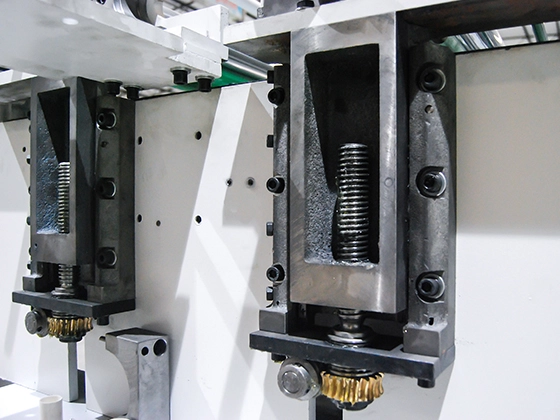
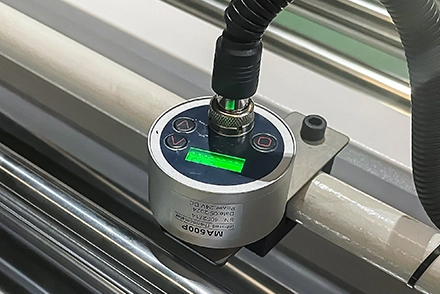
- Control putty thickness through roller adjustment
- Apply additional compression through the steel roller
- Prepare the substrate for subsequent coating operations
This roller arrangement is designed for porous flat boards where surface irregularities may affect later coating quality. After pore filling, primer and finishing layers can be applied on a more uniform substrate surface.
Keep Material Supply And Roller Movement Stable
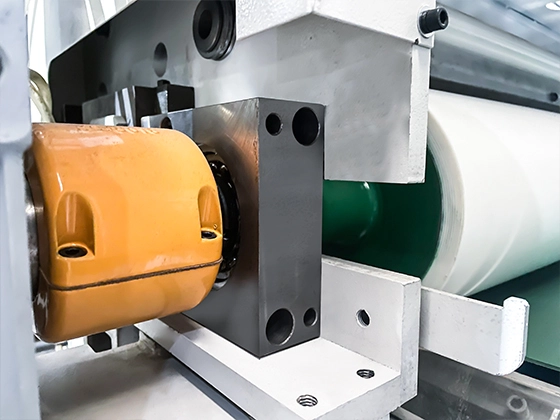
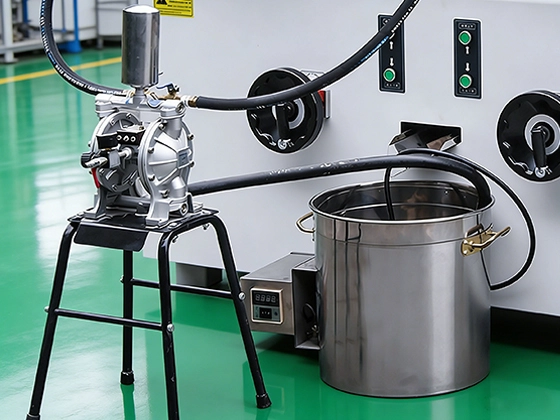
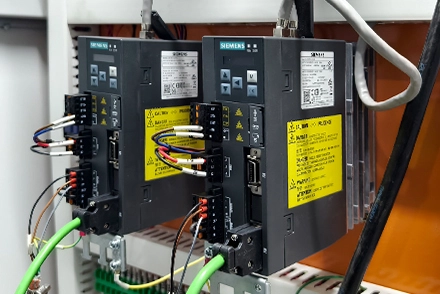
The UV putty supply system feeds filling material toward the application roller. Rubber and stainless steel rollers are driven by separate motors, with independent reducers assigned to each transmission section.
Independent drive control keeps roller movement coordinated with the filling process. The color touchscreen HMI integrates transmission settings and machine operation, allowing production adjustments from one control interface.
Prepare The Surface Before Primer And Finishing
Surface preparation influences how later coating layers interact with the substrate. Wood, MDF, and plywood can pass through putty filling before primer application, while fiber cement board can include pore filling as part of its sealing and priming process.
For MGO board applications, SENLIAN integrates UV putty filling before primer sealing and subsequent UV finishing processes within the UV roller coating line. The same process structure can be adapted according to substrate characteristics and coating requirements.
Integrate Filling Into Continuous Production Lines
Pore filling can operate as part of a complete surface-finishing route rather than a separate manual process. After filling, panels can continue through primer coating, sanding, top coating, and curing stages according to the final surface specification.
For continuous UV production, the machine can be integrated into a UV roller coating line, placing the filling process before primer roller coating and downstream UV finishing.
Configure The Machine Around Your Panel Requirements
Substrate condition, filler characteristics, and downstream coating requirements determine the working configuration. Roller structure, transmission system, and machine layout can be adjusted according to panel dimensions, production speed, and finishing process requirements.
This allows the putty filling machine to become part of a coordinated surface-finishing process instead of an independent preparation step.
Standard Parameters:







 Photo
Photo