




Hot Tags
Roll Coating Machine Selection and Industry Application Guide
August 17, 2026


What is a Roll Coating Machine?
A roll coating machine, also known as a roller coating machine or roller coater, is automated coating equipment that uses mechanical roller transmission to achieve precise paint transfer. It is also one of the core pieces of equipment for coating industrial flat substrates. Unlike traditional manual brushing and spraying equipment, the roll coating machine relies on a precisely matched combination of rubber and steel rollers to evenly meter and transfer paint onto the workpiece surface, completing the coating operations for various types of paints, inks, UV varnishes, protective coatings, etc.
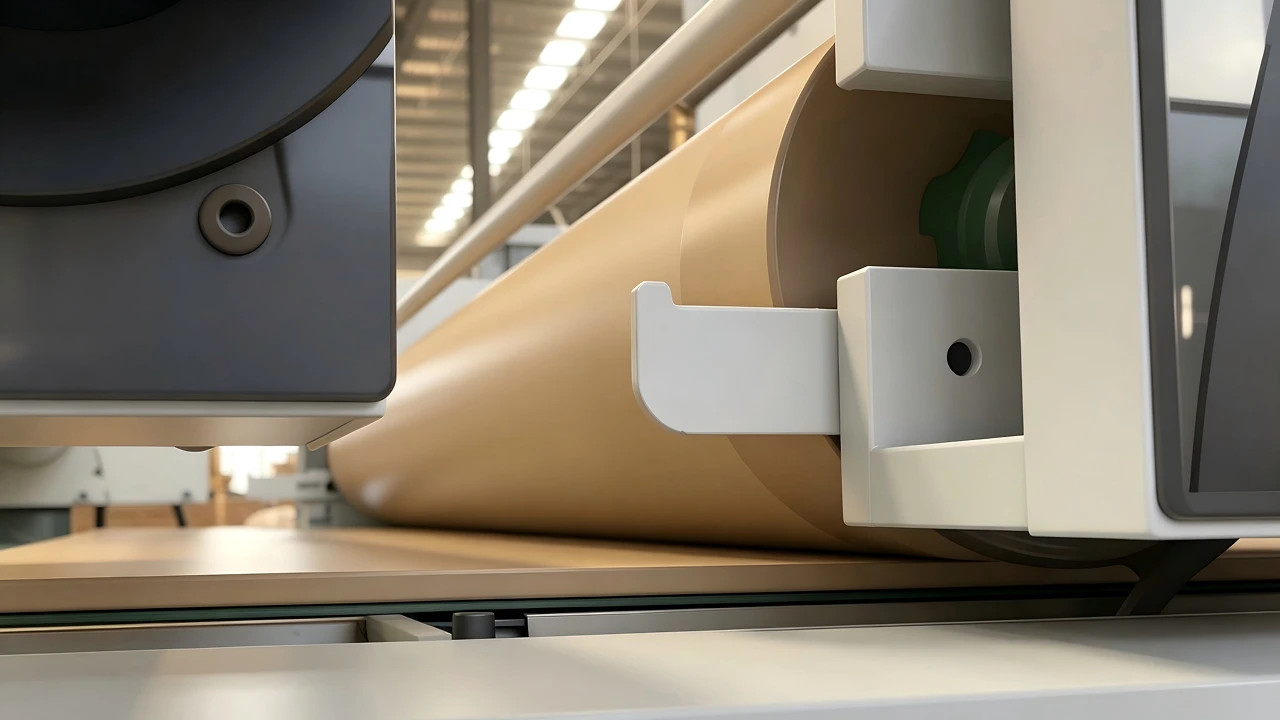
This equipment is mainly suitable for regular flat or simple curved workpieces such as sheets, rolls, and plates. It can achieve single-sided or double-sided continuous coating and is widely compatible with various coating materials such as water-based paints, oil-based paints, high-viscosity coatings, and curing coatings. With its core characteristics of automation, high precision, and low loss, the roller coater completely solves the pain points of uneven coating thickness, paint waste, and low efficiency in traditional coating methods, making it a core supporting equipment for modern large-scale coating production lines.
How does a Roll Coating Machine Work?
The core working principle of a roll coating machine is "roller metering, precise transfer, and uniform coating. "The entire operation is seamless and controllable, relying on the coordinated operation of three core components: the metering roller, the coating roller, and the support roller. All parameters can be precisely adjusted.
The specific workflow consists of the following three steps:
First, in the paint metering stage, the uniformly distributed steel roller and the coating roller are parallel and fitted together, forming a V-shaped gap. Paint is injected into this gap area at a uniform speed. By precisely adjusting the distance and speed ratio of the two rollers, the thickness of the paint adhering to the roller surface can be strictly controlled, controlling the coating weight from the source and avoiding problems of excessive or insufficient paint.
Second, in the paint transfer stage, the two sets of rollers rotate in opposite directions at a uniform speed, evenly adhering a measured amount of paint to the surface of the coating roller, completing the smoothing and homogenization of the paint, and eliminating paint bubbles and thickness deviations.
Finally, during the workpiece coating stage, the conveyor mechanism drives the substrate forward at a uniform speed, while the support roller stably supports the workpiece from below, preventing the board from shifting or deforming. The coating roller transfers the uniformly applied paint to the workpiece surface, forming a smooth, uniform coating in one pass.
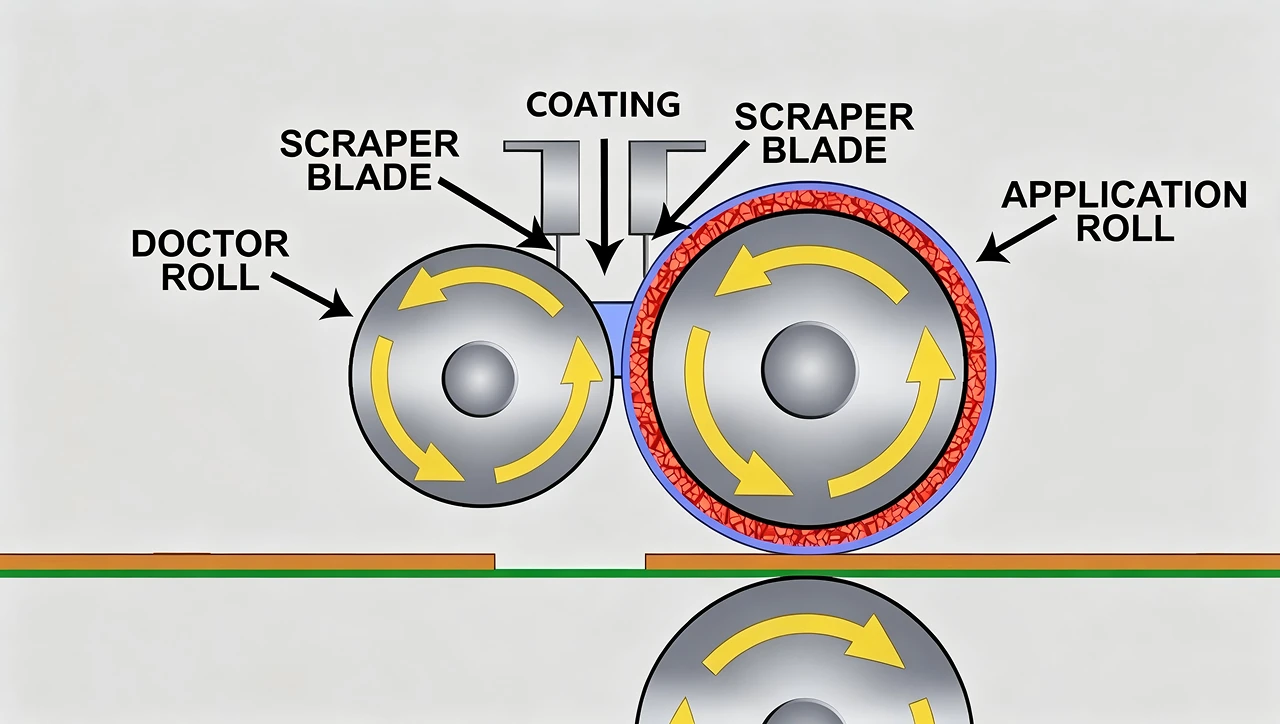
Depending on the direction of roller rotation, roll coating machines can be divided into two modes: co-rotating roll coating and reverse roll coating. Co-rotating roll coating is suitable for thin coatings and high-precision finishing, while reverse roll coating is suitable for high-viscosity coatings and thick coating processes, meeting the coating thickness and process requirements of different industries.
Advantages of Roll Coating Technology
High coating precision and stable finished product quality: Roll coating technology precisely controls the paint film thickness through roller gaps, rotation speed, and conveyor speed, minimizing coating thickness error. The coating exhibits uniform smoothness and gloss, free from defects such as runs, pinholes, orange peel, and uneven thickness. Compared to traditional processes, roll coating significantly improves the yield rate of finished products, perfectly meeting the surface finishing requirements of high-end finishes and precision functional coatings. It supports various coating effects, including thin coatings, thick coatings, matte finishes, glossy finishes, soft-touch excimer coatings, and more.
High coating utilization rate, energy saving and eco-friendly: Roll coating is a contact-based precision transfer coating process that eliminates paint atomization, splashing, and drift loss, achieving a paint utilization rate of over 99%, far exceeding traditional coating processes. While significantly reducing paint waste, it effectively lowers VOC emissions, reduces the need for complex waste gas treatment equipment, creates a clean working environment that meets industrial environmental protection standards, and can significantly reduce paint costs and environmental maintenance costs in the long term.
High efficiency, suitable for continuous production: Roll coating machines can be connected to other functional equipment to achieve uninterrupted continuous operation. The entire process, from feeding, pretreatment, and coating to paint drying and unloading, is automated, eliminating the need for repeated manual touch-ups and trimming. Production speed is stable and controllable, making it suitable for large-scale processing. Compared to manual coating and intermittent spraying, production efficiency is increased by 3-5 times, completely breaking through the traditional coating capacity bottleneck.
Easy to operate and low maintenance cost: Once the equipment parameters are debugged, it can operate stably for a long time. It has low technical requirements for operators, requiring no professional color matching or spraying skills; ordinary workers can handle the job. The equipment adopts a modular design, making roller disassembly, cleaning, and maintenance convenient and efficient. It has a low failure rate and low daily operation and maintenance costs, making it suitable for rapid deployment in both small and medium-sized factories and large group factories.
Roll Coating VS Spray Coating
Roll coating and spray coating are the two most mainstream coating processes in industrial production. Their working principles and applicable products differ significantly. Through multi-dimensional comparison, we have reached the following conclusions:
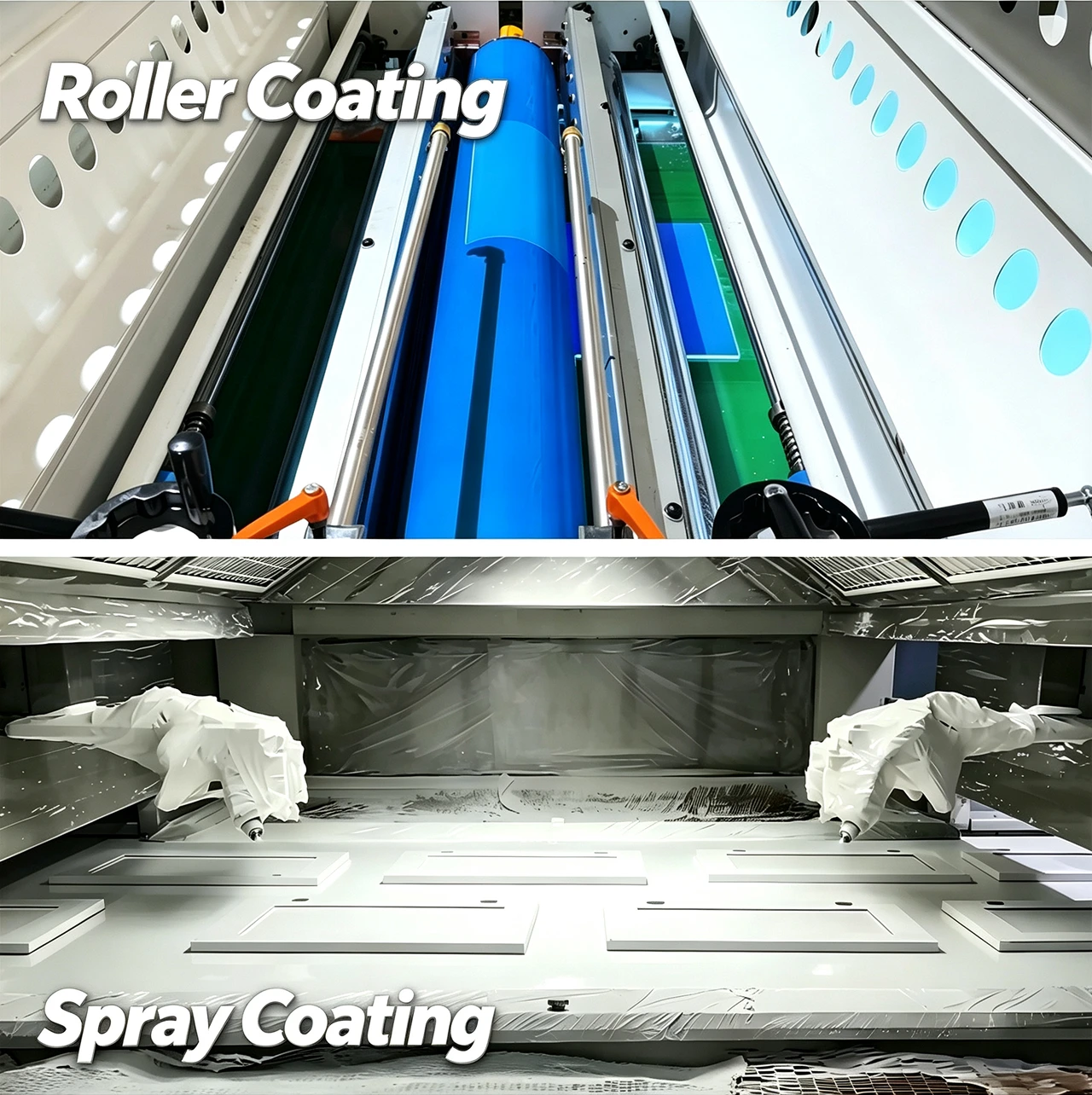
| Compare Content | Roll Coating | Spray Coating |
| Working principle | Roller group quantitative transfer of coating from roller to workpieces. | The spray gun atomizes the paint, and the airflow propels it onto workpieces. |
| Applicable product | Regular workpieces such as flat surfaces, sheets, rolls, and plates, as well as workpieces with shallow grooves | Irregularly shaped, complex structures with concave and convex features, and irregular workpieces. |
| Paint utilization rate | Over 99%, virtually no waste. | Through precise equipment recycling structure design, the utilization rate can be increased to 80%-95%. |
| Coating effect | It is only suitable for flat surface coating, and the coating is uniform and smooth. | It can achieve the same color on all six sides of the workpiece, with uniform quality on the edges and surfaces. |
| Environmental protection | The paint is recycled in liquid form, with no paint mist evaporation, low VOC emissions, and minimal pollution | The atomization and diffusion of paint produce significant exhaust gas and dust, necessitating specialized VOC collection and treatment equipment |
| Production efficiency | A continuous assembly line typically operates at a production speed of 8-12m/min, thereby achieving high daily output. | It supports multiple modes such as assembly line and step spraying. The production speed of spraying equipment is usually slower than roller coating but faster than manual spraying |
| Cost input | The initial investment in equipment can be high or low, the cost of coatings is relatively low, and the long-term use offers high cost-effectiveness | The initial investment in equipment can vary, but the long-term use of coatings and the investment in environmental protection equipment are relatively high |
Industries Using Roll Coating Machines
Furniture and wood products industry: It is used for primer, topcoat, UV matte, and high-gloss finishing of solid wood boards, MDF, particleboard, plywood, wooden doors, cabinet boards, and other workpieces, to eliminate defects in raw materials and improve the decorative texture and the boards' wear and scratch resistance.
Metal sheet processing industry: It is suitable for roll coating of rust-proof, protective, anti-fingerprint, and decorative coatings on metal substrates such as color steel plates, aluminum single plates, stainless steel plates, galvanized plates, and coils. It is widely used in the production of building materials, curtain walls, auto parts, and other products to improve the corrosion resistance, oxidation resistance, and decorative performance of metal plates.
Glass and building materials industry: It is used for decorative or functional coatings on flat glass, tempered glass, slabs, and ceramic slabs, and is widely used in home furnishings, construction, decoration, automobiles, and electronic products.
Inorganic board and new materials industry: It is used to coat substrates such as fiber cement board, calcium silicate board, magnesium oxide board, PVC, acrylic, and PET, and provides finishes such as weather resistance, moisture resistance, decoration, fingerprint resistance, and wear resistance to suit various application scenarios.
How to Choose the Right Roll Coating Machine?
While roll coating machines are indispensable high-performance equipment in automatic coating processes for flat products, blindly selecting one without fully considering your production scenario, process requirements, and capacity plans can lead to problems such as insufficient equipment compatibility, product quality defects, and wasted capacity. Therefore, Senlian summarizes the following key points for equipment selection:
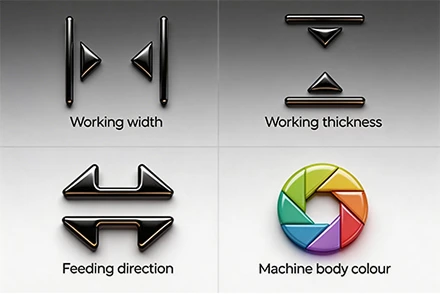
Strictly matching workpiece parameters: First, determine the maximum and minimum width, length, thickness, and weight of the workpiece. The workpiece dimensions must be within the equipment's effective coating size. For thin substrates less than 5mm thick, customized rollers and conveyor structures are required to prevent substrate deformation during the rolling process. For rigid, heavy-duty plates, customized heavy-duty frames and conveyor structures with superior load-bearing capacity are necessary to ensure a more stable and smooth processing process and greater equipment durability.
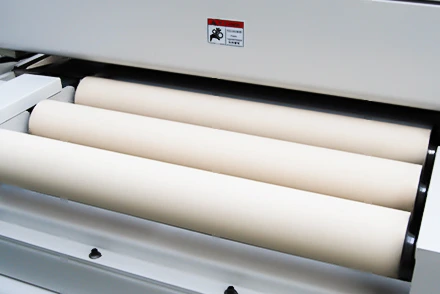
Fully compatible with coating properties: Different coating properties require different rollers and conveyor materials. Generally speaking, EPDM rubber rollers and PVC conveyor belts can be used with most coatings and products. Water-based paints are more often coated using roll coating machines equipped with sponge or hydrophilic rollers, while PU and fluorocarbon paints are more often coated using roll coating machines equipped with polyurethane rollers.
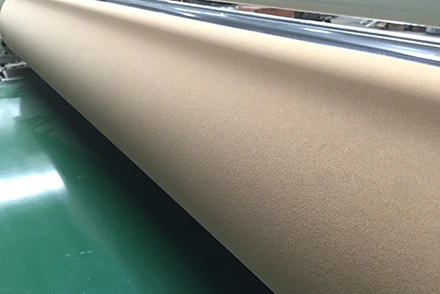
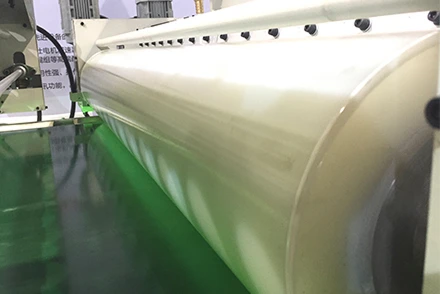
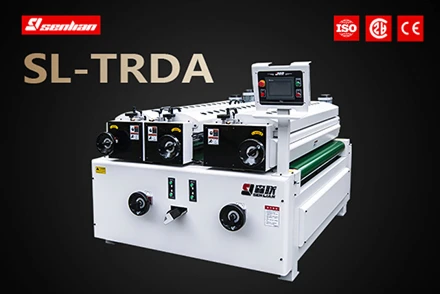
Meeting the requirements for process and coating precision: Selecting a roll coating machine model should meet the product and coating requirements for process and coating precision. For example, putty filling machines and three-roller coating machines are often used to fill the pores of loose substrates; back-coating roller coating and curing machines are often used for sealing the back of substrates to isolate them from moisture and pollution in the environment; single-roller coaters equipped with a sponge roller are often used for substrate coloring; standard double-roller coaters are often used for primers to increase coating thickness or cover the substrate color and texture; roller coaters equipped with laser rollers are often used for high-gloss topcoat coating; reverse single roller coaters with automatic lifting function are often used for weather-resistant fluorocarbon finish coating; and for materials that require double-sided micron-level coating, we recommend using a customized double-sided high-precision roller coater with a servo system.
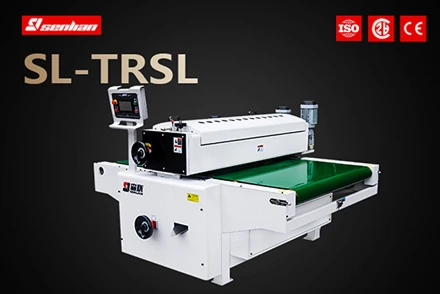
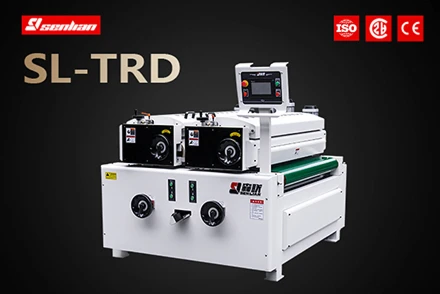
Matching order types and production capacity requirements: For small-batch, multi-category orders, single-machine equipment or semi-automatic roller coating lines with greater flexibility and easier switching of production modes can be selected. Even if orders increase in the future, equipment can be added to expand capacity. For large-batch orders with relatively uniform product specifications, fully automatic roller coating lines are preferred. These lines are connected to automatic loading and unloading, substrate surface treatment, and curing or drying equipment to achieve more efficient, lower-cost fully automated operations.
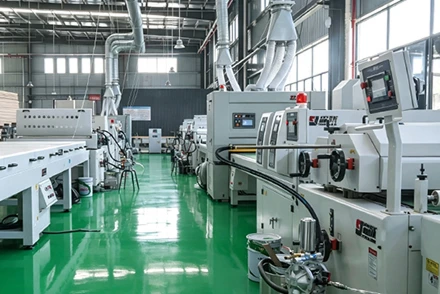
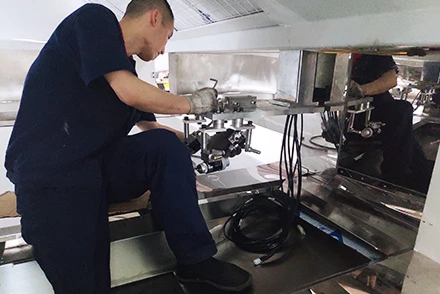
Choose suppliers with stable quality and after-sales support: As precision equipment used daily, even minor differences in details can affect the coating effect and long-term stability of roll coating machines. We recommend choosing a supplier with rich industry experience, numerous successful cases, and excellent after-sales installation, training, warranty, and maintenance services to ensure your factory can continuously and stably produce high-quality products.
Roll Coating Machine Price Factors
The market price of roll coating machines varies considerably. The price difference is mainly determined by core factors such as equipment configuration, parameters, functions, materials, and brand. The specific influencing factors are as follows:
Equipment parameters: The wider the equipment's processing width, the larger the machine body, roller group, conveyor belt, and other components need to be, and additional support components may even be required. More materials are used, and the design is more difficult, so its price increases accordingly. Conversely, the price decreases.
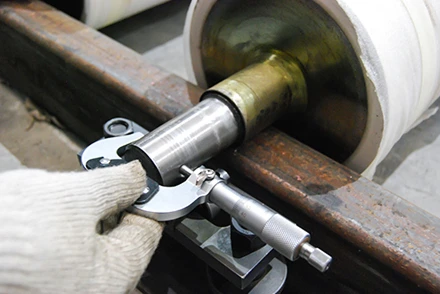
Roller configuration and materials: The roller is the core component of a roll coating machine. Using NBR rubber rollers and steel rollers with high surface roughness results in lower costs, while using solvent-resistant, highly elastic imported EPDM rollers and steel rollers that have undergone precision processing such as grinding, electrolytic polishing, and chrome plating results in higher costs but also superior coating accuracy and durability. Furthermore, double-roller and triple-roller models have more roller sets than single-roller models, thus increasing their price.
Supporting functions and systems: If the product, coating, or usage environment has special requirements for the equipment's functions, such as adding a servo motor control system with memory, automatic roller lifting, automatic belt cleaning, steel roller heating, paint flow detection, temperature monitoring, automatic paint mixing, or using an independent electrical control cabinet and explosion-proof motor, the price of the roll coating machine will become expensive.
Equipment automation level: Basic standard roll coating machines are inexpensive and suitable for small startups, while fully automatic roller coating lines with high automation and large capacity, or customized roll coating machines for high-end applications, are significantly more expensive and are the first choice for medium- and large-sized factories.
Brand and after-sales guarantee: Branded equipment with numerous successful cases and a good reputation typically uses solid materials, mature technology, and strict quality control, resulting in greater stability and durability. Their roller coaters are also relatively expensive, but they have a comprehensive after-sales service system, a low failure rate, low maintenance costs, fast after-sales response, and a better user experience. On the other hand, niche, unknown brands that attract customers with low prices often have unsatisfactory quality and precision of their roller coater parts, lack after-sales support, and face a significant risk of disappearing after-sales service.
Why Choose an Automatic Roller Coating Line?
In large-scale industrial production, fully automatic roller coating lines have gradually replaced traditional semi-automatic single-machine equipment and become the mainstream coating solution. Their core value is reflected in four dimensions: efficiency, quality, cost, and management.
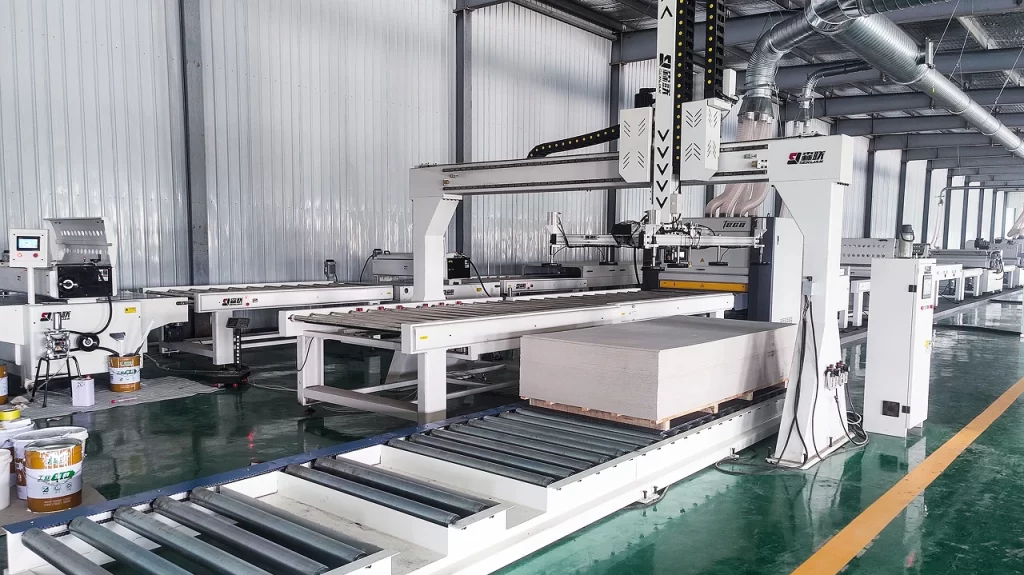
Replaces a large amount of labor, automates the entire production process, and significantly increases productivity.
This standardizes the coating process, precisely quantifies all parameters, and ensures more consistent finished-product quality, meeting the quality requirements of high-end customers.
The extremely high coating utilization rate significantly reduces raw material waste, while lower VOC emissions reduce environmental remediation costs, resulting in significant long-term economic benefits.
With careful design, the automatic roller coating line supports rapid switching between coating processes, adapts to producing multiple types and specifications of workpieces, and meets the market's diverse needs.
The automatic roller coating line can be connected to the factory's intelligent management system, enabling real-time statistical analysis and traceability of production data, meeting the needs of efficient management in modern industry.